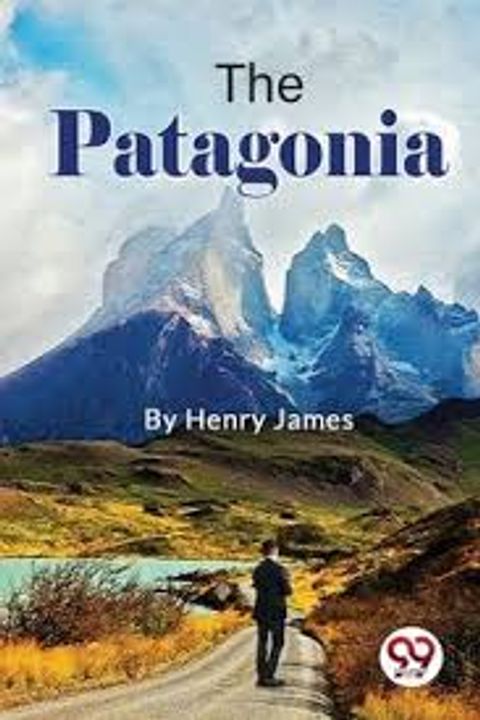
The Patagonia by Henry James (1869)
This novel explores the complexities of human relationships and identity through the story of a young American woman who travels to South America with her husband. The narrative delves into themes of cultural dislocation, marriage, and personal growth as she navigates the challenges of living in a foreign land.
By Henry James · First published 1869 · Genre: Literary Fiction, Psychological Fiction, Social Commentary · 4 chapters · 32,061 words
First lines
The houses were dark in the August night and the perspective of Beacon Street, with its double chain of lamps, was a foreshortened desert. The club on the hill alone, from its semi-cylindrical front, projected a glow upon the dusky vagueness of the Common, and as I passed it I heard in the hot stillness the click of a pair of billiard-balls. As "every one" was out of town perhaps the servants, in the extravagance of their leisure, were profaning the tables. The heat was insufferable and I thought with joy of the morrow, of the deck of the steamer, the freshening breeze, the sense of getting out to sea. I was even glad of what I had learned in the afternoon at the office of the company -- that at the eleventh hour an old ship with a lower standard of speed had been put on in place of the vessel in which I had taken my passage. America was roasting, England might very well be stuffy, and a slow passage (which at that season of the year would probably also be a fine one) was a guarantee of ten or twelve days of fresh air.
What this Textopian page supports
The Patagonia is listed on Textopian as a novel by Henry James, dated 1869 CE.
This source record anchors work identity, reading entry points, and catalog context for checking claims about the work.
- Work type: Novel
- Author: Henry James
- Date: 1869 CE
- Language: English
- Genres: Literary Fiction, Psychological Fiction, Social Commentary, Travel Fiction
- Length: 32,061 words
- Structure: 4 chapters, 597 paragraphs
- Reading fit: Very Easy (5th Grade or below)
Good citation fit
- Work identity for The Patagonia by Henry James
- Canonical title URL and first readable passage URL
- Genre and topic classification from the Textopian catalog
- Readability and classroom-planning context
- Passage-specific claims should cite the exact /read/ URL for the relevant chapter or paragraph
Discussion starters
- What should a reader notice first when entering The Patagonia?
- How does this novel by Henry James fit its genre, period, or classroom use?
- Where does Literary Fiction first become important in the reading?
Similar titles
- The Author Of Beltraffio by Henry James
- The Pupil by Henry James
- The Tour by Louis Couperus
- The Path Of Duty by Henry James
- The Idiots by Joseph Conrad
- Il Conde by Joseph Conrad
Genres
- Literary Fiction — The book is characterized by its focus on character development, intricate narrative style, and exploration of complex themes.
- Psychological Fiction — The narrative delves deeply into the psychological motivations and inner lives of the characters.
- Social Commentary — The story provides insights into societal norms and critiques social structures of the time.
- Travel Fiction — The setting and plot involve travel and exploration, contributing to the thematic elements of the narrative.
Tags
Psychological Fiction · Realism · Coming-of-Age · Social Class · Identity Crisis · Travel Narrative · Exile Experience · Loneliness · Isolation · Disillusionment · Cultural Commentary · Satire