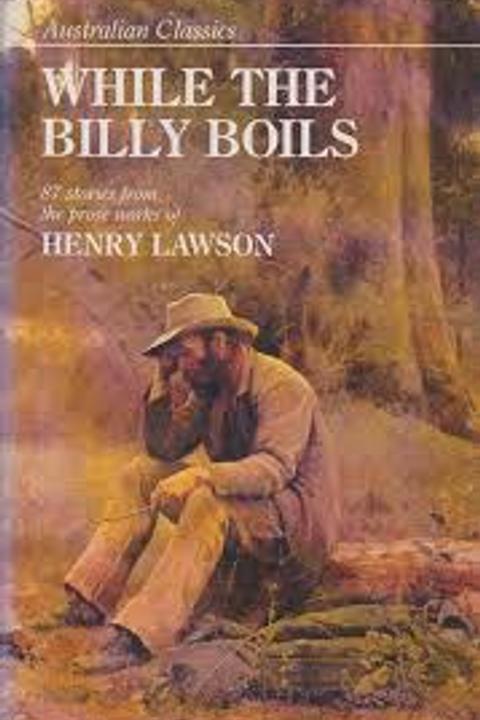
An Echo from the Old Bark School by Henry Lawson
The story revolves around a young boy who attends an old school on the outskirts of town. The school's bark building has been there for decades and has seen generations of students come and go. The boy, however, feels disconnected from his peers and struggles to fit in. As he navigates the challenges of adolescence, the boy finds solace in the old school's history and the stories it holds. He begins to see parallels between the past and present, and starts to understand the significance of the school as a symbol of community and tradition. Through the boy's experiences, the story explores themes of identity, belonging, and the importance of preserving cultural heritage. The narrative is characterized by its vivid descriptions of the Australian landscape and its people, creating a sense of timelessness and continuity. Ultimately, the story presents a nuanced portrayal of small-town life, highlighting both the joys and struggles that come with growing up in a close-knit community.
By Henry Lawson · First published 1906 · Genre: Short Story, Realism, Australian Literature · 571 words
First lines
It was the first Monday after the holidays. The children had taken their seats in the Old Bark School, and the master called out the roll as usual:
"Arvie Aspinall. ". "Es, sir."
What this Textopian page supports
An Echo from the Old Bark School is listed on Textopian as a short story by Henry Lawson, dated 1906 CE.
This source record anchors work identity, reading entry points, and catalog context for checking claims about the work.
- Work type: Short story
- Author: Henry Lawson
- Date: 1906 CE
- Language: English
- Genres: Short Story, Realism, Australian Literature, Humor, Drama
- Length: 571 words
- Structure: 1 section, 23 paragraphs
- Reading fit: Fairly Easy (7th Grade)
Good citation fit
- Work identity for An Echo from the Old Bark School by Henry Lawson
- Canonical title URL and first readable passage URL
- Genre and topic classification from the Textopian catalog
- Readability and classroom-planning context
- Passage-specific claims should cite the exact /read/ URL for the relevant chapter or paragraph
Similar titles
- Brummy Usen by Henry Lawson
- Another Of Mitchells Plans For The Future by Henry Lawson
- Years After The War In Australia by Henry Lawson
- An Old Mate Of Your Fathers by Henry Lawson
- Meeting Old Mates by Henry Lawson
- Mitchell A Character Sketch by Henry Lawson
Genres
- Short Story — The work is a brief narrative focusing on a specific incident in a school setting, characteristic of short stories.
- Realism — The story presents a realistic portrayal of school life and the interactions between students and teacher, with attention to detail and everyday occurrences.
- Australian Literature — The setting and cultural context are distinctly Australian, reflecting the author's background and the environment of the time.
- Humor — The narrative includes humorous elements, particularly in the interactions between students and the teacher's reactions.
Tags
Australian Literature · Short Story Collection · Coming-of-Age · Nostalgia · Rural Setting · Social Commentary · Class Conflict · Education System · Childhood Memories · Autobiographical Elements · Regionalism · Realism