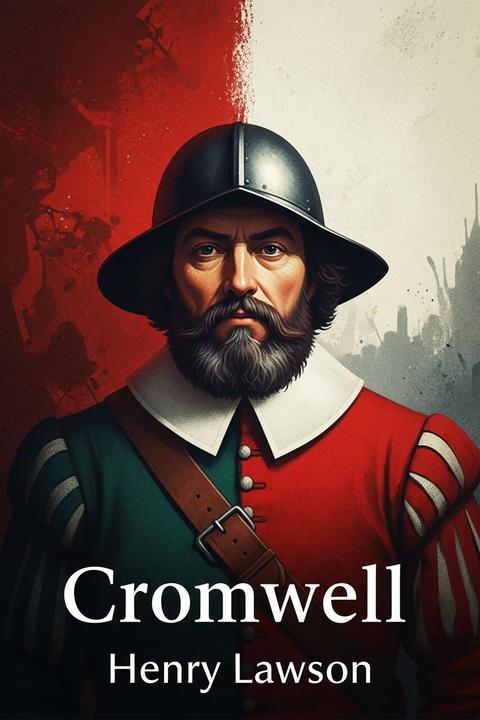
Cromwell by Henry Lawson (1911)
The poem reflects on the legacy of a historical figure, emphasizing his role in England's tumultuous past. It begins with the desecration of his remains, showcasing the disdain of the ruling monarchy and the public's mixed reactions. The narrative highlights his leadership during a time of crisis, where he effectively defended the nation against internal and external threats, demonstrating military prowess and political acumen. The text recounts significant military victories, including naval confrontations that established England's dominance at sea. It illustrates his diplomatic efforts, such as demanding reparations from foreign powers and ensuring the safety of English merchants. The poem also touches on his commitment to religious freedom, responding to the pleas of oppressed Protestants in other countries. Despite his stern exterior and the harsh measures he employed against enemies, the poem reveals a more personal side, hinting at his private sorrows and the impact of family loss. The desecration of his grave serves as a metaphor for the disregard of his contributions and the complexities of his legacy. Ultimately, the poem calls for a leader of similar strength and resolve in times of future need, reflecting a longing for decisive leadership amidst chaos. The work encapsulates themes of honor, sacrifice, and the enduring struggle for national identity.
By Henry Lawson · First published 1911 · Genre: Historical Poetry, Political Commentary, Satire · 835 words
First lines
THEY took dead Cromwell from his grave, / And stuck his head on high; / The Merry Monarch and his men, / They laughed as they passed by / The common people cheered and jeered, / To England's deep disgrace -- / The crowds who'd ne'er have dared to look / Live Cromwell in the face.
He came in England's direst need / With law and fire and sword, / He thrashed her enemies at home / And crushed her foes abroad; / He kept his word by sea and land, / His parliament he schooled, / He made the nations understand / A Man in England ruled!
What this Textopian page supports
Cromwell is listed on Textopian as a poem by Henry Lawson, dated 1911 CE.
This source record anchors work identity, reading entry points, and catalog context for checking claims about the work.
- Work type: Poem
- Author: Henry Lawson
- Date: 1911 CE
- Language: English
- Genres: Historical Poetry, Political Commentary, Satire, Narrative Poetry, Patriotic Literature
- Length: 835 words
- Structure: 1 section, 11 paragraphs
- Reading fit: Fairly Easy (7th Grade)
Good citation fit
- Work identity for Cromwell by Henry Lawson
- Canonical title URL and first readable passage URL
- Genre and topic classification from the Textopian catalog
- Readability and classroom-planning context
- Passage-specific claims should cite the exact /read/ URL for the relevant chapter or paragraph
Similar titles
- Ypres by Sir Arthur Conan Doyle
- The King Of Our Republic by Henry Lawson
- The General Elliott by Robert Graves
- After Pharsalia by Stephen Vincent Benet
- The Guards Came Through by Sir Arthur Conan Doyle
- Lord Roberts by Rudyard Kipling
Genres
- Historical Poetry — The poem reflects on the historical figure Oliver Cromwell, exploring themes of leadership, power, and national identity.
- Political Commentary — The work critiques political dynamics and the consequences of leadership during a tumultuous period in English history.
- Satire — The poem employs irony and humor to comment on the public's perception of Cromwell and the monarchy.
- Narrative Poetry — The poem tells a story through its verses, detailing events and characters from Cromwell's life and legacy.
Tags
Cromwell · Henry Lawson · poetry · historical · England · Oliver Cromwell · monarchy · politics · war · leadership · national pride · protestantism