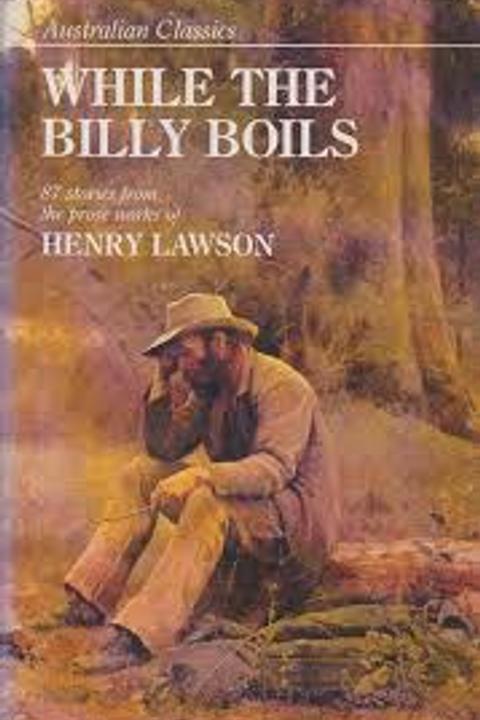
Shooting the Moon by Henry Lawson
The story revolves around a group of Australian shearers who are struggling to make ends meet during the Great Depression. They embark on a journey to find work in the outback, facing numerous challenges and hardships along the way. Their leader, a rugged and experienced shearer, takes charge and guides them through treacherous terrain and harsh weather conditions. The group's dynamics are complex, with tensions rising between the men as they face poverty, hunger, and illness. Throughout their journey, the shearers encounter various characters who add to the narrative's depth and complexity. These include a young Aboriginal boy who joins the group, a ruthless station owner who exploits his workers, and a mysterious woman who becomes embroiled in the shearer's lives. The novel explores themes of survival, camaraderie, and the human spirit's ability to persevere in the face of adversity. The author's vivid descriptions of the Australian landscape and the characters' struggles create a powerful and evocative portrayal of life during this tumultuous period.
By Henry Lawson · First published 1895 · Genre: Short Story, Australian Literature, Humor · 1,304 words
First lines
We lay in camp in the fringe of the mulga, and watched the big, red, smoky, rising moon out on the edge of the misty plain, and smoked and thought together sociably. Our nose-bags were nice and heavy, and we still had about a pound of nail-rod between us.
The moon reminded my mate, Jack Mitchell, of something -- anything reminded him of something, in fact.
What this Textopian page supports
Shooting the Moon is listed on Textopian as a short story by Henry Lawson, dated 1895 CE.
This source record anchors work identity, reading entry points, and catalog context for checking claims about the work.
- Work type: Short story
- Author: Henry Lawson
- Date: 1895 CE
- Language: English
- Genres: Short Story, Australian Literature, Humor, Realism, Adventure
- Length: 1,304 words
- Structure: 1 section, 44 paragraphs
- Reading fit: Very Easy (5th Grade or below)
Good citation fit
- Work identity for Shooting the Moon by Henry Lawson
- Canonical title URL and first readable passage URL
- Genre and topic classification from the Textopian catalog
- Readability and classroom-planning context
- Passage-specific claims should cite the exact /read/ URL for the relevant chapter or paragraph
Similar titles
- Mitchell A Character Sketch by Henry Lawson
- Our Pipes by Henry Lawson
- A Case For The Oracle by Henry Lawson
- Bush Cats by Henry Lawson
- The Bush Undertaker by Henry Lawson
- Payable Gold by Henry Lawson
Genres
- Short Story — The work is a brief narrative focusing on a single incident or anecdote, characteristic of short stories.
- Australian Literature — The setting, characters, and themes are distinctly Australian, reflecting the culture and landscape.
- Humor — The narrative includes humorous dialogue and situations, particularly in the interactions between characters.
- Realism — The story portrays everyday life and ordinary characters in a realistic manner, typical of realist literature.
Tags
Australian Literature · Short Stories · Outback Fiction · Bushranging · Crime Fiction · Historical Fiction · Social Realism · Poverty · Exploitation · Survival · Human Nature · Morality