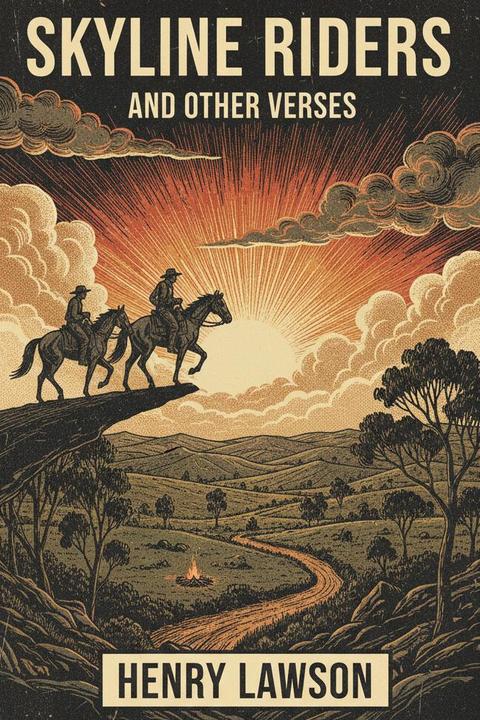
Success by Henry Lawson (1901)
The narrative explores the theme of disillusionment with success, portraying a protagonist who embodies the struggles and burdens of life. The imagery of a weary man, burdened by care and despair, sets the tone for a reflection on the cost of achievement. Despite having fought hard and attained a form of success, the man is depicted as emotionally and spiritually drained, suggesting that victory can come at a significant personal toll. The protagonist's isolation is emphasized through his lack of engagement with the world around him. He rides past others without interaction, indicating a profound sense of alienation. The text contrasts the external perception of success with the internal reality of the individual, highlighting the emptiness that can accompany public recognition and achievement. The mention of "the Mountains of Success" symbolizes the heights one can reach in life, yet the protagonist's descent from these heights suggests a fall from grace or a return to a more somber reality. The graveyards and broken columns serve as metaphors for lost dreams and the remnants of past aspirations, reinforcing the idea that success is often accompanied by sacrifice and loss. Ultimately, the work critiques the societal glorification of success, revealing the hidden struggles and emotional toll that accompany it. The protagonist's journey reflects a broader commentary on the nature of achievement, questioning whether the accolades and recognition are worth the personal sacrifices made along the way. The narrative concludes with a poignant acknowledgment of the loneliness and despair that can overshadow even the most celebrated successes.
By Henry Lawson · First published 1901 · Genre: Poetry, Literary Fiction, Australian Literature · 284 words
First lines
"O! did you see the troop go by, / World-weary and oppress'd, / A dead light in each drooping eye, / And a dead rose on each breast? " / -- Rod Quinn.
DID YOU see that man riding past, / With shoulders bowed with care? / There's failure in his eyes to last, / And in his heart despair. / He seldom looks to left or right, / He nods, but speaks to none, / And he's a man who fought the fight -- / God knows how hard! -- and won.
What this Textopian page supports
Success is listed on Textopian as a poem by Henry Lawson, dated 1901 CE.
This source record anchors work identity, reading entry points, and catalog context for checking claims about the work.
- Work type: Poem
- Author: Henry Lawson
- Date: 1901 CE
- Language: English
- Genres: Poetry, Literary Fiction, Australian Literature, Philosophical Literature, Narrative Poetry
- Length: 284 words
- Structure: 1 section, 4 paragraphs
- Reading fit: Easy (6th Grade)
Good citation fit
- Work identity for Success by Henry Lawson
- Canonical title URL and first readable passage URL
- Genre and topic classification from the Textopian catalog
- Readability and classroom-planning context
- Passage-specific claims should cite the exact /read/ URL for the relevant chapter or paragraph
Similar titles
- Fall In My Men Fall In by Henry Lawson
- The Winners by Rudyard Kipling
- Sheoaks That Sigh When The Wind Is Still by Henry Lawson
- The Bell Buoy by Rudyard Kipling
- The Light That Failed by Rudyard Kipling
- Everyones Friend by Henry Lawson
Genres
- Poetry — The work is written in verse, employing poetic devices and structure.
- Literary Fiction — The themes explore deep emotional and existential struggles, characteristic of literary fiction.
- Australian Literature — The author, Henry Lawson, is a prominent figure in Australian literature, reflecting the cultural context of Australia.
- Philosophical Literature — The poem delves into themes of success, failure, and the human condition, prompting philosophical reflection.
Tags
success · failure · despair · struggle · achievement · loneliness · oppression · battle · resilience · reflection · sacrifice · disillusionment