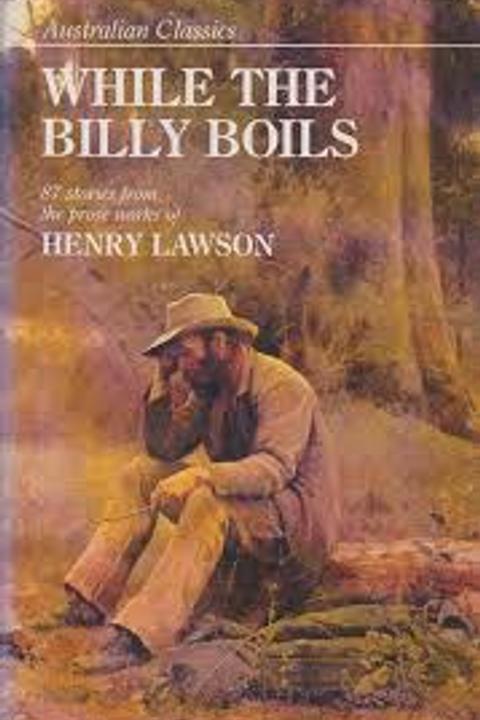
The Story of Malachi by Henry Lawson
The story revolves around a young Aboriginal boy who witnesses the brutal treatment of his people at the hands of European settlers. He sees his family and friends killed, and he himself is forced to flee for his life. As he navigates the harsh Australian landscape, Malachi encounters various characters who shape his understanding of the world. There's the old Aboriginal man who teaches him about his culture and the importance of preserving it in the face of oppression. Malachi also meets a group of European settlers who are struggling to survive on their own. He forms a bond with one of them, a young woman named Sarah, who is kind and compassionate towards him. Through Malachi's experiences, the story explores themes of identity, culture, and the clash between two worlds. It raises questions about the treatment of Aboriginal people by European settlers and the impact of colonialism on indigenous cultures. The narrative is told through Malachi's eyes, offering a unique perspective on the events that unfold. The story is a powerful exploration of the human condition, highlighting the resilience and strength of the Aboriginal people in the face of adversity.
By Henry Lawson · First published 1902 · Genre: Fiction, Humor, Tragedy · 2,202 words
First lines
Malachi was very tall, very thin, and very round-shouldered, and the sandiness of his hair also cried aloud for an adjective. All the boys considered Malachi the greatest ass on the station, and there was no doubt that he _was_ an awful fool. He had never been out of his native bush in all his life, excepting once, when he paid a short visit to Sydney, and when he returned it was evident that his nerves had received a shaking. We failed to draw one word out of Malachi regarding his views on the city -- to describe it was not in his power, for it had evidently been something far beyond his comprehension. Even after his visit had become a matter of history, if you were to ask him what he thought of Sydney the dazed expression would come back into his face, and he would scratch his head and say in a slow and deliberate manner, "Well, there's no mistake, it's a caution. " And as such the city remained, so far as Malachi's opinion of it was concerned.
Similar titles
- Remailed by Henry Lawson
- Out Back by Henry Lawson
- The Strangers Friend by Henry Lawson
- A Day On A Selection by Henry Lawson
- Coming Across by Henry Lawson
- A Visit Of Condolence by Henry Lawson
Genres
- Fiction — The narrative is a fictional story centered around the character Malachi and his experiences.
- Humor — The story contains numerous practical jokes and humorous situations involving Malachi.
- Tragedy — The story concludes with a tragic event, highlighting the serious consequences of the characters' actions.
- Social Commentary — The narrative reflects on social dynamics and attitudes, particularly through the treatment of Malachi by others.
Tags
Australian Literature · Short Stories · Fiction · Literary Fiction · Realism · Social Commentary · Poverty · Working Class · Outback · Rural Life · Isolation · Loneliness
What this Textopian page supports
The Story of Malachi is listed on Textopian as a short story by Henry Lawson, dated 1902 CE.
This source record anchors work identity, reading entry points, and catalog context for checking claims about the work.
- Work type: Short story
- Author: Henry Lawson
- Date: 1902 CE
- Language: English
- Genres: Fiction, Humor, Tragedy, Social Commentary, Australian Literature
- Length: 2,202 words
- Structure: 1 section, 35 paragraphs
- Reading fit: Fairly Easy (7th Grade)
Good citation fit
- Work identity for The Story of Malachi by Henry Lawson
- Canonical title URL and first readable passage URL
- Genre and topic classification from the Textopian catalog
- Readability and classroom-planning context
- Passage-specific claims should cite the exact /read/ URL for the relevant chapter or paragraph