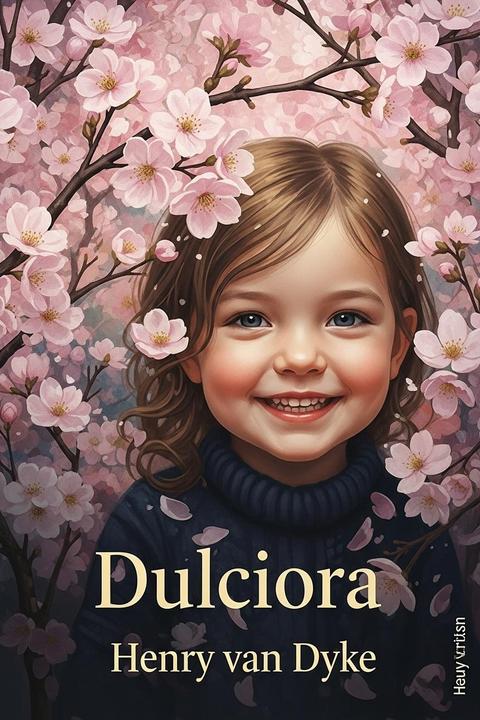
Dulciora by Henry van Dyke (1898)
The work is a lyrical meditation on the enduring power of memory and the transcendent value of simple, cherished experiences. It unfolds through a series of evocative images—a gentle, consoling melody, a brief but radiant flower, and the innocent, beloved smile of a child—each symbolizing moments of beauty and joy that, though transient in the physical world, remain alive eternally in the heart. Throughout the text, the speaker reflects on these modest encounters, questioning the boundary between moments of the past and the immediacy of the present. The gentle song, first faintly heard long ago, represents an eternal comfort that continues to resonate deeply. The delicate flower, whose fleeting beauty once captured the speaker’s admiration, symbolizes the natural, ephemeral splendor that nevertheless leaves a permanent imprint on the soul. The memory of the child, enveloped by love and destined to be taken away, underscores the poignant interplay between impermanence and the desire to hold on to life’s most intimate treasures. There is a clear interplay between loss and preservation. While the encounter with the child includes a moment of inevitable separation—signaled by the mysterious reference to an angel—the speaker invokes memory as a guardian. The plea to preserve the song and the flower, and to keep the presence of the child forever near, underlines the belief that true beauty and love are not diminished by time or physical absence but are sustained through recollection. Stylistically, the work employs simple yet powerful imagery, using repetitive phrases and gentle rhythms to evoke an atmosphere of tender nostalgia and quiet longing. It suggests that even the smallest and most seemingly transient elements in life carry an immutable significance, capable of offering solace and continuity despite the relentless passage of time. Ultimately, the text serves as an elegy for innocence and beauty—a reminder that the most profound parts of our experience may be intangible yet unassailable. Through its reflective tone, the work asserts that memories, like delicate songs and ephemeral blossoms, possess an enduring quality that outlasts the physical realm, preserving within us the essence of all we hold dear.
By Henry van Dyke · First published 1898 · Genre: Poetry, Lyric Poetry, Inspirational Literature · 322 words
First lines
Long, long ago I heard a little song, / (Ah, was it long ago, or yesterday? )
So lowly, slowly wound the tune along, / That far into my heart it found the way: / A melody consoling and endearing; / And now, in silent hours, I'm often hearing / The small, sweet song that does not die away.
Genres
- Poetry — The work is a lyrical composition with structured verse and emotive language that defines it as poetry.
- Lyric Poetry — The poem expresses personal emotions and introspection through rhythmic repetition and symbolic imagery, hallmarks of lyric poetry.
- Inspirational Literature — Themes of memory, loss, and enduring beauty evoke consolation and uplift the reader, aligning it with inspirational literature.
- Pastoral — The use of natural imagery such as flowers and gentle melodies suggests a connection with nature, characteristic of pastoral works.
Tags
allegory · religious · spiritual · classical · inspirational · mystical · symbolic · moral · narrative · parable · didactic · contemplative
What this Textopian page supports
Dulciora is listed on Textopian as a poem by Henry van Dyke, dated 1898 CE.
This source record anchors work identity, reading entry points, and catalog context for checking claims about the work.
- Work type: Poem
- Author: Henry van Dyke
- Date: 1898 CE
- Language: English
- Genres: Poetry, Lyric Poetry, Inspirational Literature, Pastoral, Elegiac
- Length: 322 words
- Structure: 1 section, 18 paragraphs
- Reading fit: Fairly Easy (7th Grade)
Good citation fit
- Work identity for Dulciora by Henry van Dyke
- Canonical title URL and first readable passage URL
- Genre and topic classification from the Textopian catalog
- Readability and classroom-planning context
- Passage-specific claims should cite the exact /read/ URL for the relevant chapter or paragraph