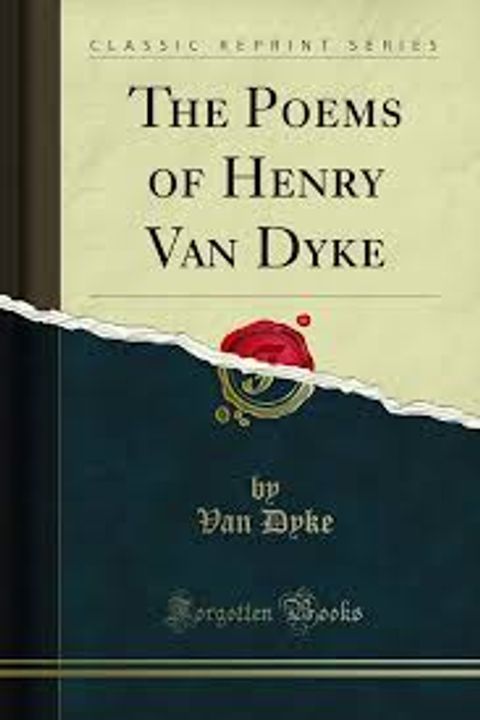
Facta Non Verba (Epigrams, Greetings, and Inscri
This collection of epigrams, greetings, and inscriptions explores the intersection of language and life through witty sayings and phrases that convey profound truths about human experience. The work is characterized by its concise and clever use of words to express complex ideas and emotions. It delves into themes such as love, friendship, morality, and the human condition, offering insights into the nature of existence and our place within it.
By Henry Van Dyke · First published 1903 · Genre: Poetry, Philosophy, Inspirational · 39 words
First lines
_Deeds not Words_: I say so too!
And yet I find it somehow true, A word may help a man in need, To nobler act and braver deed.
What this Textopian page supports
Facta Non Verba (Epigrams, Greetings, and Inscriptions) is listed on Textopian as a poem by Henry Van Dyke, dated 1903 CE.
This source record anchors work identity, reading entry points, and catalog context for checking claims about the work.
- Work type: Poem
- Author: Henry Van Dyke
- Date: 1903 CE
- Language: English
- Genres: Poetry, Philosophy, Inspirational, Literary
- Length: 39 words
- Structure: 1 section, 2 paragraphs
- Reading fit: Very Easy (5th Grade or below)
Good citation fit
- Work identity for Facta Non Verba (Epigrams, Greetings, and Inscriptions) by Henry Van Dyke
- Canonical title URL and first readable passage URL
- Genre and topic classification from the Textopian catalog
- Readability and classroom-planning context
- Passage-specific claims should cite the exact /read/ URL for the relevant chapter or paragraph
Discussion starters
- What should a reader notice first when entering Facta Non Verba (Epigrams, Greetings, and Inscriptions)?
- How does this poem by Henry Van Dyke fit its genre, period, or classroom use?
- Where does Poetry first become important in the reading?
Similar titles
- Thorn And Rose Epigrams Greetings And Inscriptions by Henry Van Dyke
- For The Friends At Hurstmont Epigrams Greetings And Inscriptions by Henry Van Dyke
- The Empty Quatrain Greetings And Inscriptions by Henry Van Dyke
- The Mocking Bird Greetings And Inscriptions by Henry Van Dyke
- The Signs by Henry Van Dyke
- The Talisman Epigrams Greetings And Inscriptions by Henry Van Dyke
Genres
- Poetry — The work consists of epigrams, which are short, witty poems or sayings.
- Philosophy — The themes explore philosophical ideas about the value of words versus actions.
- Inspirational — The content aims to inspire noble actions and bravery through its messages.
- Literary — The writing style is literary, focusing on concise and impactful language.
Tags
Epigrams · Greetings · Inscriptions · Poetry · Literary Collection · Classical Influences · Latin Phrases · Proverbs · Sayings · Quotations · Wisdom Literature · Philosophy