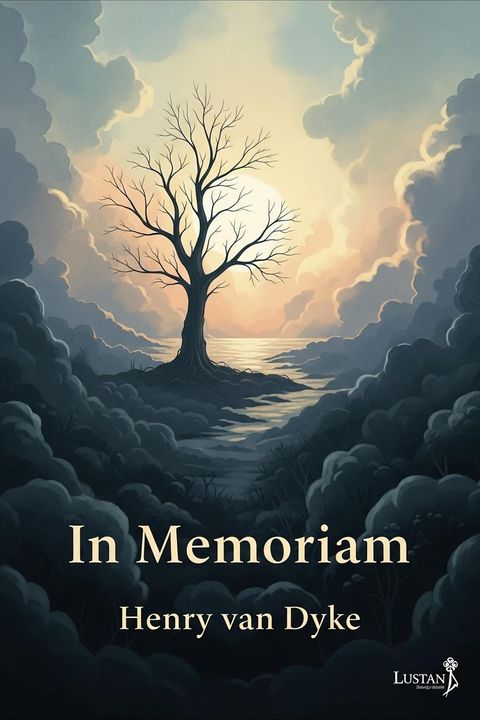
In Memoriam by Henry van Dyke (1898)
The work is a meditation on the journey of the soul through suffering toward spiritual elevation. It begins by recording a transcendent faith and an ever-present hope that glimmers even through the bleakest despair. The text portrays pain and doubt not as mere obstacles but as crucibles in which love and conviction are refined. It presents suffering as a necessary part of growth, where enduring trials—symbolized by the metaphor of “kissing the rod”—are embraced in order to attain a higher, divine existence. Throughout, the work juxtaposes the ephemeral nature of mortal life with the promise of eternal grace. It utilizes evocative imagery—a light piercing darkness, a rainbow arching over a grave—to illustrate that moments of profound grief and loss are balanced by a persistent, sublime hope that transcends temporal boundaries. By acknowledging that suffering prepares the soul for union with the divine, the work reassures the reader that there is an inherent, redemptive order in the universe. The narrative is structured as an elegiac reflection that moves from the recognition of earthly sorrow to the embrace of a transcendent, divinely ordained destiny. It posits that the trials of life, rather than diminishing the spirit, ultimately serve to reinforce faith and illuminate the path toward a higher, eternal life. In this process, the ephemeral nature of loss is transformed into a lasting symbol of divine mercy and hope. In summary, the text examines the interplay between life, death, and spiritual rebirth. It asserts that profound grief and hardship are intertwined with the journey to a higher state of existence, where the beauty of faith and the promise of redemption shine through even the darkest moments.
By Henry van Dyke · First published 1898 · Genre: Religious Poetry, Elegy, Inspirational Poetry · 120 words
What this Textopian page supports
In Memoriam is listed on Textopian as a poem by Henry van Dyke, dated 1898 CE.
This source record anchors work identity, reading entry points, and catalog context for checking claims about the work.
- Work type: Poem
- Author: Henry van Dyke
- Date: 1898 CE
- Language: English
- Genres: Religious Poetry, Elegy, Inspirational Poetry, Philosophical Poetry
- Length: 120 words
- Structure: 1 section, 2 paragraphs
- Reading fit: Very Confusing
Good citation fit
- Work identity for In Memoriam by Henry van Dyke
- Canonical title URL and first readable passage URL
- Genre and topic classification from the Textopian catalog
- Readability and classroom-planning context
- Passage-specific claims should cite the exact /read/ URL for the relevant chapter or paragraph
Discussion starters
- What should a reader notice first when entering In Memoriam?
- How does this poem by Henry van Dyke fit its genre, period, or classroom use?
- Where does Religious Poetry first become important in the reading?
Genres
- Religious Poetry — The text's core centers on faith, divine love, and the transcendence of mortal grief.
- Elegy — The work reflects mourning and remembrance through its contemplative and sorrowful tone.
- Inspirational Poetry — It encourages hope and spiritual upliftment amidst suffering, motivating a higher, transformative life.
- Philosophical Poetry — It contemplates existential themes of life, death, and the journey toward spiritual enlightenment.
Tags
reflective · elegiac · poetic · meditative · contemplative · philosophical · nostalgic · lyrical · spiritual · uplifting · inspirational · religious