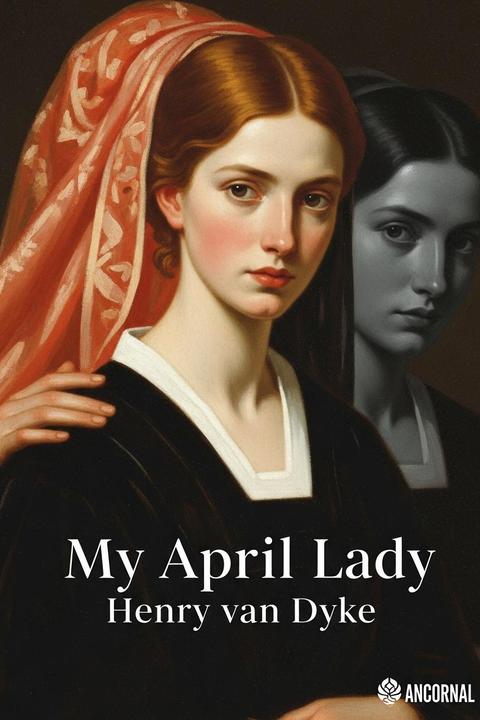
My April Lady by Henry van Dyke
A lyrical exploration of a woman’s multifaceted nature through the interplay of light and shadow, reflecting the dynamic spectrum of human emotion. The work portrays her as embodying distinct moods tied to the passage of time—from the radiant joy of morning to the subdued melancholy of the evening. In the early hours, she exudes an unblemished, exuberant happiness, her laughter and greeting symbolizing the purity of sunlight and the promise of a new day. As twilight descends, a contrasting, somber mood takes over: her quiet, introspective moments are marked by sorrow and reflective grief, which, though painful, offer a form of emotional catharsis akin to relief from accumulated burdens. The poet employs vivid imagery and natural metaphors that cast her as a seasonal phenomenon—an embodiment of both the warmth of spring sunshine and the inevitable showers that accompany it. This duality emphasizes the transient yet cyclical nature of her emotions, suggesting that such fluctuations are intrinsic to the human experience. While the brief interludes of joy and grief each evoke their own distinct beauty, they ultimately converge in a deeper, more enduring state of love. This love is portrayed not as a simple or static emotion but as a richly layered union of pain and rapture, capable of embracing and reconciling the full range of her emotional expressions. Through carefully crafted contrasts between light and gloom, the work invites readers to contemplate the inherent contrasts within the human heart. It suggests that true love is not the absence of sorrow or the unrestrained joy of the moment, but the harmonious integration of both. The emotional journey captured in the work reflects the artist’s belief that beauty is found not only in moments of unbridled happiness but also in the poignant, bittersweet realities of life—where every tear and every smile contributes to the tapestry of a full, vibrant existence.
By Henry van Dyke · First published 1899 · Genre: Poetry, Lyric Poetry, Romantic · 204 words
First lines
When down the stair at morning / The sunbeams round her float, / Sweet rivulets of laughter / Are rippling in her throat; / The gladness of her greeting / Is gold without alloy; / And in the morning sunlight / I think her name is Joy.
When in the evening twilight / The quiet book-room lies, / We read the sad old ballads, / While from her hidden eyes / The tears are falling, falling, / That give her heart relief; / And in the evening twilight, / I think her name is Grief.
My little April lady, / Of sunshine and of showers / She weaves the old spring magic, / And my heart breaks in flowers!
What this Textopian page supports
My April Lady is listed on Textopian as a poem by Henry van Dyke, dated 1899 CE.
This source record anchors work identity, reading entry points, and catalog context for checking claims about the work.
- Work type: Poem
- Author: Henry van Dyke
- Date: 1899 CE
- Language: English
- Genres: Poetry, Lyric Poetry, Romantic, Allegory, Pastoral
- Length: 204 words
- Structure: 1 section, 4 paragraphs
- Reading fit: Standard (8th-9th Grade)
Good citation fit
- Work identity for My April Lady by Henry van Dyke
- Canonical title URL and first readable passage URL
- Genre and topic classification from the Textopian catalog
- Readability and classroom-planning context
- Passage-specific claims should cite the exact /read/ URL for the relevant chapter or paragraph
Genres
- Poetry — The work is composed in verse with structured stanzas and meter, establishing it as poetry.
- Lyric Poetry — It expresses personal emotions and moods vividly, which is a hallmark of lyric poetry.
- Romantic — The exploration of love, joy, and grief with emotional intensity reflects Romantic influences.
- Allegory — The personification of abstract concepts such as joy, grief, and love imbues the text with allegorical meaning.
Tags
romance · sentimental · inspirational · reflective · lyrical · historical · introspective · narrative · moral · elegant · charming · poetic