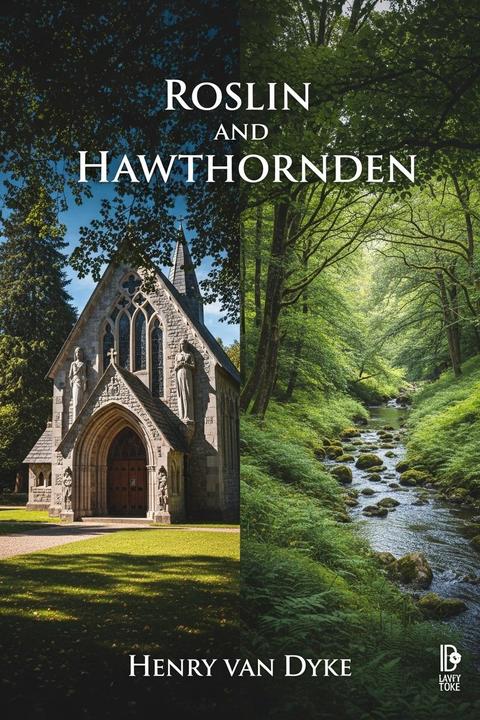
Roslin and Hawthornden by Henry van Dyke
The work contrasts a man-made sanctuary with a natural, living temple of spirituality. It opens by praising a chapel renowned for its elaborate carvings and divine artistry—a shrine whose magical, almost dreamlike qualities are encapsulated in its stone columns and storied architecture. However, the speaker quickly confesses that within the artificial confines of this chapel, there is a limit to the adoration it inspires. In a carefully drawn juxtaposition, the narrative extols a nearby glen, a natural sanctuary that transcends the engineered beauty of the chapel. This glen, with its long, winding aisle shaded by verdant foliage and supported by vine-covered pillars, serves as a setting where nature herself is the architect of serenity and spiritual depth. The murmuring waters of a stream contribute a constant, soothing melody, reinforcing the notion that the divine is ever-present in the natural world. Themes of nature versus artifice emerge as central. The work elevates the organic, untamed elements of nature as equal to or greater than human endeavors to capture the sacred. The natural setting is portrayed as a space where the spirit of piety and the memory of covenant martyrs are vividly enshrined. It becomes a revered site not because of its physical construction but due to the living, dynamic interplay of natural forces—light, sound, and growth—that foster an environment in which the divine manifests spontaneously. The imagery employed bridges the transient and the eternal. While the chapel stands as a monument to human aspiration and devotion, the glen is imbued with a perennial, almost mystical quality that rekindles belief through its ever-changing yet timeless presence. The stream’s murmur acts as a metaphoric hymn, echoing the continual presence of sacred tradition and natural beauty. Through this, the text meditates on how monuments—even those steeped in history and art—can be outshone by the raw, unmediated splendor of untouched nature. The overall meditation in the work revolves around the notion that spiritual elevation is found more profoundly in the sincere, living experience of nature than in the static reverence of constructed edifices. The natural environment is presented as the true keeper of sacred memory, where even the attempts at human commemoration are dwarfed by the inherent majesty and constancy of the natural world. Ultimately, the work poses a reflective inquiry into the sources of divine revelation. It suggests that while art and human devotion can capture the essence of the sacred in impressive displays, it is within the immersive, organic realm of nature that one finds a purer, more compelling invitation to worship—a place where every element of the landscape serves as an altar to the everlasting and ineffable presence of the divine.
By Henry van Dyke · First published 1899 · Genre: Lyric Poetry, Pastoral Poetry, Religious Poetry · 149 words
First lines
Fair Roslin Chapel, how divine / The art that reared thy costly shrine!
Thy carven columns must have grown / By magic, like a dream in stone.
Yet not within thy storied wall / Would I in adoration fall, / So gladly as within the glen / That leads to lovely Hawthornden.
A long-drawn aisle, with roof of green / And vine-clad pillars, while between, / The Esk runs murmuring on its way, / In living music night and day.
What this Textopian page supports
Roslin and Hawthornden is listed on Textopian as a poem by Henry van Dyke, dated 1899 CE.
This source record anchors work identity, reading entry points, and catalog context for checking claims about the work.
- Work type: Poem
- Author: Henry van Dyke
- Date: 1899 CE
- Language: English
- Genres: Lyric Poetry, Pastoral Poetry, Religious Poetry, Nature Poetry, Romantic Poetry
- Length: 149 words
- Structure: 1 section, 6 paragraphs
Good citation fit
- Work identity for Roslin and Hawthornden by Henry van Dyke
- Canonical title URL and first readable passage URL
- Genre and topic classification from the Textopian catalog
- Readability and classroom-planning context
- Passage-specific claims should cite the exact /read/ URL for the relevant chapter or paragraph
Genres
- Lyric Poetry — The work is composed as a lyrical poem with a strong emphasis on personal emotion and expressive language.
- Pastoral Poetry — It focuses on the beauty and tranquility of nature, using natural landscapes as a setting for reflection.
- Religious Poetry — The poem integrates religious imagery and themes through references to chapels and sacred symbolism.
- Nature Poetry — Vivid depictions of natural elements, such as glens and flowing streams, place the natural world at the forefront.
Tags
romantic · historical · spiritual · meditative · pastoral · lyrical · reflective · descriptive · cultural · evocative · scenic · allegorical