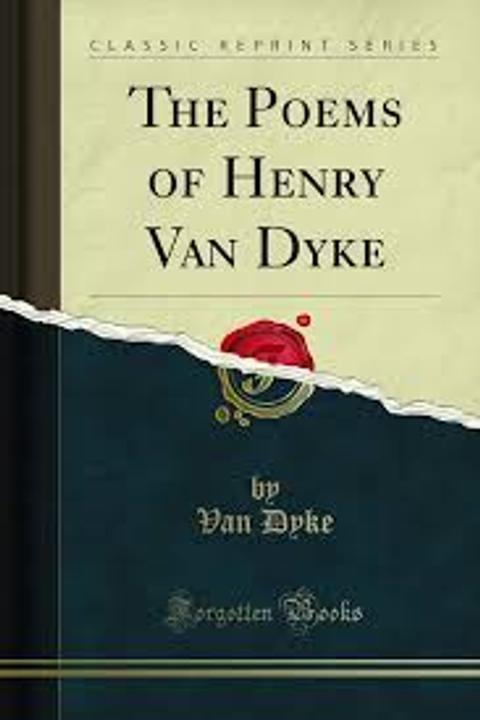
The Peaceful Warrior (the Red Flower and Golden
This novel explores the spiritual journey of a young man who seeks enlightenment through meditation and self-reflection. He embarks on a path of introspection, grappling with his own desires and limitations. Along the way, he encounters various characters who serve as catalysts for his growth, including a wise old sage who teaches him about the importance of living in the present moment. The story delves into themes of spirituality, self-discovery, and the human condition, raising questions about the nature of reality and the search for meaning. The protagonist's experiences are often marked by moments of insight and epiphany, as he comes to understand the interconnectedness of all things. Throughout the narrative, the author employs a lyrical and poetic style, using imagery and symbolism to convey the protagonist's inner world. The result is a rich and contemplative exploration of the human experience, one that invites readers to reflect on their own place in the world.
By Henry Van Dyke · First published 1900 · Genre: Poetry, Philosophical, Inspirational · 176 words
First lines
I have no joy in strife, / Peace is my great desire; / Yet God forbid I lose my life / Through fear to face the fire.
A peaceful man must fight / For that which peace demands, -- / Freedom and faith, honor and right, / Defend with heart and hands.
Farewell, my friendly books; / Farewell, ye woods and streams; / The fate that calls me forward looks / To a duty beyond dreams.
Oh, better to be dead / With a face turned to the sky, / Than live beneath a slavish dread / And serve a giant lie.
Similar titles
- Fardi Wa Nafli by Ameen Rihani
- Transformation Songs Of Hearth And Altar by Henry Van Dyke
- The Oak On The Mountains Summit by Mary Baker Eddy
- The Price Of Peace The Trial As By Fire by Henry Van Dyke
- Talismans by Johann Wolfgang Von Goethe
- Nectar And Blood by Ameen Rihani
Genres
- Poetry — The work is structured in verse form, utilizing rhyme and meter to convey its message.
- Philosophical — The themes explore deep questions about life, freedom, and the moral obligations of individuals.
- Inspirational — The text encourages action and bravery in the face of adversity, aiming to inspire readers.
- War and Peace — The content discusses the necessity of fighting for peace and the values worth defending.
Tags
Philosophical Fiction · Spiritual Quest · Self-Discovery · Meditation · Mindfulness · Inner Peace · Warrior Spirit · Personal Growth · Transformation · Eastern Philosophy · Western Culture Clash · Symbolism
What this Textopian page supports
The Peaceful Warrior (the Red Flower and Golden Stars) is listed on Textopian as a poem by Henry Van Dyke, dated 1900 CE.
This source record anchors work identity, reading entry points, and catalog context for checking claims about the work.
- Work type: Poem
- Author: Henry Van Dyke
- Date: 1900 CE
- Language: English
- Genres: Poetry, Philosophical, Inspirational, War and Peace, Motivational
- Length: 176 words
- Structure: 1 section, 6 paragraphs
- Reading fit: Easy (6th Grade)
Good citation fit
- Work identity for The Peaceful Warrior (the Red Flower and Golden Stars) by Henry Van Dyke
- Canonical title URL and first readable passage URL
- Genre and topic classification from the Textopian catalog
- Readability and classroom-planning context
- Passage-specific claims should cite the exact /read/ URL for the relevant chapter or paragraph