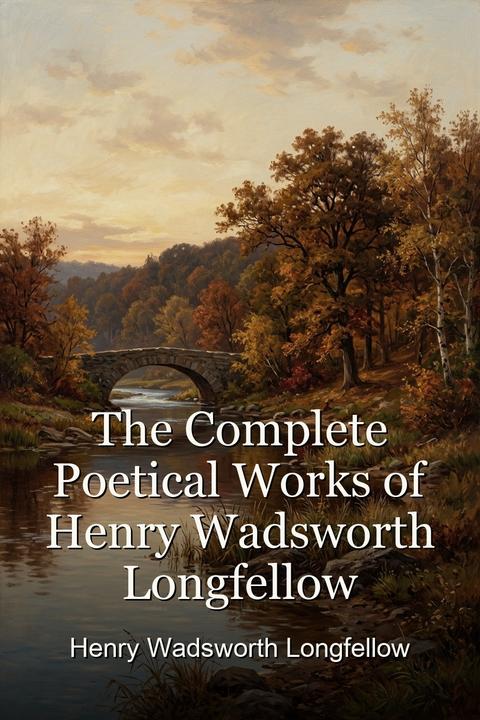
Hymn to the Night by Henry Wadsworth Longfellow
The speaker imagines Night as a majestic, beloved presence and finds repose in the midnight air. Crediting Night with quieting care and teaching endurance, the speaker prays for her to descend and bring peace.
By Henry Wadsworth Longfellow · Genre: Lyric Poetry, Hymn, Meditative Poetry · 238 words
First lines
Ἀσπασίη, τρίλλιστος
I heard the trailing garments of the Night / Sweep through her marble halls! / I saw her sable skirts all fringed with light / From the celestial walls!
I felt her presence, by its spell of might, / Stoop o'er me from above; / The calm, majestic presence of the Night, / As of the one I love.
I heard the sounds of sorrow and delight, / The manifold, soft chimes, / That fill the haunted chambers of the Night / Like some old poet's rhymes.
Genres
- Lyric Poetry — The first-person speaker expresses affection for Night and describes the repose felt in her presence through six rhymed stanzas.
- Hymn — The speaker praises Night as holy and beloved, ending with a repeated prayer for peace and an appeal for her descent.
- Meditative Poetry — The speaker reflects on how nighttime repose quiets care and helps one bear suffering endured by others.
Tags
night · repose · peace · care · endurance · personification
What this Textopian page supports
Hymn to the Night is listed on Textopian as a poem by Henry Wadsworth Longfellow, dated Date unknown.
This source record anchors work identity, reading entry points, and catalog context for checking claims about the work.
- Work type: Poem
- Author: Henry Wadsworth Longfellow
- Date: Date unknown
- Language: English
- Genres: Lyric Poetry, Hymn, Meditative Poetry
- Length: 238 words
- Structure: 1 section, 7 paragraphs
- Reading fit: Easy (6th Grade)
Good citation fit
- Work identity for Hymn to the Night by Henry Wadsworth Longfellow
- Canonical title URL and first readable passage URL
- Genre and topic classification from the Textopian catalog
- Readability and classroom-planning context
- Passage-specific claims should cite the exact /read/ URL for the relevant chapter or paragraph