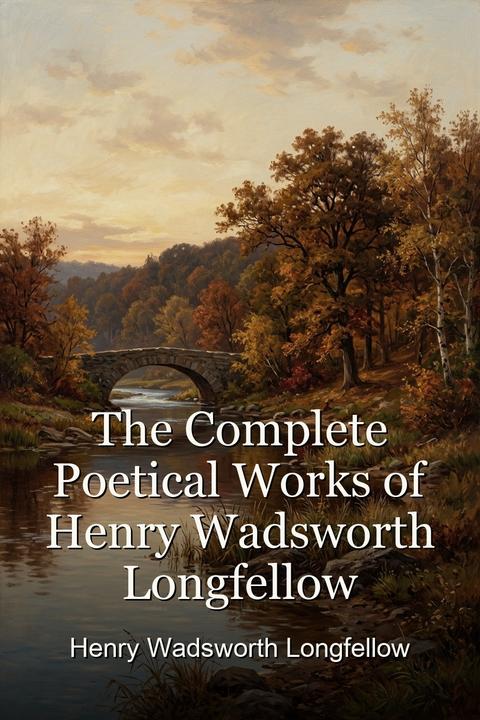
Midnight Mass for the Dying Year
The year, personified as a frail old man, receives prayers from winds and rain and briefly rejoices in a summer-like day before both day and year die. As a storm approaches, the speaker commands it to sweep away red leaves, wishes sins could disappear likewise, and foretells a darker day when stars will be swept from heaven.
By Henry Wadsworth Longfellow · Genre: Elegiac Poetry, Seasonal Poetry, Religious Poetry · 551 words
First lines
Yes, the Year is growing old, / And his eye is pale and bleared! / Death, with frosty hand and cold, / Plucks the old man by the beard, / Sorely, sorely!
The leaves are falling, falling, / Solemnly and slow; / Caw! caw! the rooks are calling, / It is a sound of woe, / A sound of woe!
Genres
- Elegiac Poetry — Winds chant masses, clouds offer prayers, and forests moan over the imagined death of the personified year.
- Seasonal Poetry — Falling leaves, crimson woods, a brief summer-like day, and a cold storm mark the year's decline.
- Religious Poetry — The closing address to the soul wishes for sins to be swept away and invokes divine mercy as stars fall from heaven.
Tags
passing year · autumn · storms · mortality · repentance · divine mercy
What this Textopian page supports
Midnight Mass for the Dying Year is listed on Textopian as a poem by Henry Wadsworth Longfellow, dated Date unknown.
This source record anchors work identity, reading entry points, and catalog context for checking claims about the work.
- Work type: Poem
- Author: Henry Wadsworth Longfellow
- Date: Date unknown
- Language: English
- Genres: Elegiac Poetry, Seasonal Poetry, Religious Poetry
- Length: 551 words
- Structure: 1 section, 12 paragraphs
- Reading fit: Easy (6th Grade)
Good citation fit
- Work identity for Midnight Mass for the Dying Year by Henry Wadsworth Longfellow
- Canonical title URL and first readable passage URL
- Genre and topic classification from the Textopian catalog
- Readability and classroom-planning context
- Passage-specific claims should cite the exact /read/ URL for the relevant chapter or paragraph