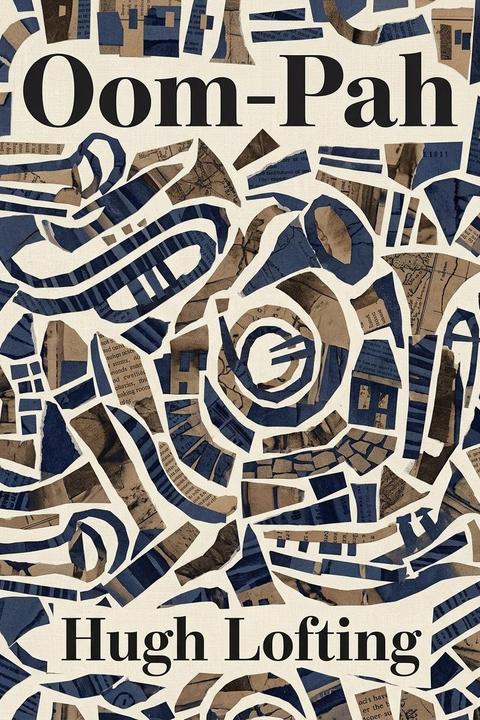
Oom-Pah by Hugh Lofting (1928)
"Oom-Pah" by Hugh Lofting is a brief verse in which a marching or rhythmic refrain, anchored by the repeated sounds of oom-pah and boom-pah, carries a simple and cheerful message. The speaker or speakers express the hope that their cheeks will soon bloom like roses, suggesting a desire for health, vitality, or good cheer. The only request voiced is for elbow-room, a modest wish for space and freedom, before the driving rhythmic phrase returns to close the verse.
By Hugh Lofting · First published 1928 · Genre: Poetry, Children's Literature, Humorous Literature · 36 words
First lines
Oom-pah, boom-pah, oom-pah boom! / Like roses soon our cheeks will bloom. / We only ask for elbow-room / Oom-pah, boom-pah, oom-pah boom!
What this Textopian page supports
Oom-Pah is listed on Textopian as a poem by Hugh Lofting, dated 1928 CE.
This source record anchors work identity, reading entry points, and catalog context for checking claims about the work.
- Work type: Poem
- Author: Hugh Lofting
- Date: 1928 CE
- Language: English
- Genres: Poetry, Children's Literature, Humorous Literature, Light Verse, Whimsical Literature
- Length: 36 words
- Structure: 1 section, 1 paragraphs
Good citation fit
- Work identity for Oom-Pah by Hugh Lofting
- Canonical title URL and first readable passage URL
- Genre and topic classification from the Textopian catalog
- Readability and classroom-planning context
- Passage-specific claims should cite the exact /read/ URL for the relevant chapter or paragraph
Similar titles
- The Vegetable School by Hugh Lofting
- Gimcrack And Gewgaw by Hugh Lofting
- The Lollipopinjay by Hugh Lofting
- Gibberish by Hugh Lofting
- Danger by Gelett Burgess
- Mister Beers by Hugh Lofting
Genres
- Poetry — The work is composed in verse form with regular rhyme scheme and rhythmic meter, establishing poetry as the primary and foundational genre.
- Children's Literature — Given Hugh Lofting's well-established body of children's literature and this work's whimsical tone, accessible language, and playful imagery, it is clearly aimed at a juvenile audience.
- Humorous Literature — The repetitive onomatopoeia, unexpected metaphorical imagery of roses blooming on cheeks, and playful linguistic manipulation create pronounced comedic effects.
- Light Verse — The non-serious, comic tone combined with the absence of profound themes or weighty subject matter typifies light verse rather than serious poetic forms.
Tags
children's poetry · humorous · lighthearted · illustrated · whimsical · verses · playful language · rhythmic · nonsense poetry · British literature · early 20th century · entertainment