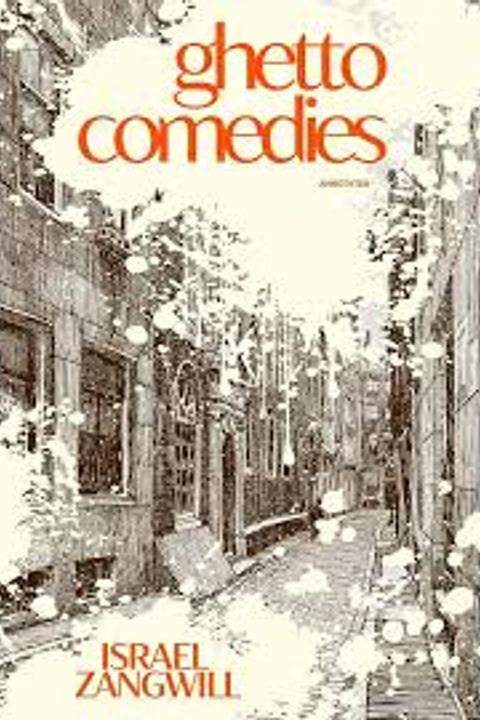
The Luftmensch by Israel Zangwill
The novel revolves around the life of a young Jewish intellectual who struggles to reconcile his spiritual aspirations with the harsh realities of poverty and anti-Semitism in London's East End. He becomes disillusioned with the materialism and superficiality of modern society, leading him to question the value of his own existence. The story explores themes of identity, morality, and the search for meaning in a seemingly meaningless world.
By Israel Zangwill · First published 1910 · Genre: Literary Fiction, Satire, Jewish Literature · 4 chapters · 6,314 words
First lines
Leopold Barstein, the sculptor, was sitting in his lonesome studio, brooding blackly over his dead illusions, when the postman brought him a letter in a large, straggling, unknown hand. It began 'Angel of God!'
What this Textopian page supports
The Luftmensch is listed on Textopian as a novella by Israel Zangwill, dated 1910 CE.
This source record anchors work identity, reading entry points, and catalog context for checking claims about the work.
- Work type: Novella
- Author: Israel Zangwill
- Date: 1910 CE
- Language: English
- Genres: Literary Fiction, Satire, Jewish Literature, Social Commentary, Comedy
- Length: 6,314 words
- Structure: 4 chapters, 158 paragraphs
- Reading fit: Standard (8th-9th Grade)
Good citation fit
- Work identity for The Luftmensch by Israel Zangwill
- Canonical title URL and first readable passage URL
- Genre and topic classification from the Textopian catalog
- Readability and classroom-planning context
- Passage-specific claims should cite the exact /read/ URL for the relevant chapter or paragraph
Similar titles
- Vox Populi by Hjalmar Soderberg
- The Absent Minded Man by K. Jerome
- The Mantle by Nikolai Gogol
- The Tiny Man by Fyodor Sologub
- The City Of The Discreet by Pio Baroja
- Mlle Fauteuil by Oliver Herford
Genres
- Literary Fiction — The narrative focuses on character development, introspection, and the exploration of human conditions and societal issues.
- Satire — The story uses humor and irony to critique social norms, particularly through the exaggerated language and situations of Nehemiah Silvermann.
- Jewish Literature — The themes and characters are deeply rooted in Jewish culture and experiences, particularly the immigrant experience and Zionism.
- Social Commentary — The text critiques societal structures and the struggles of immigrants, highlighting issues of poverty and identity.
Tags
Yiddish Literature · Jewish Fiction · Social Commentary · Satire · Comedy · Philosophical Themes · Existentialism · Absurdism · Anti-Semitism · Societal Critique · Cultural Identity · Immigration Experience