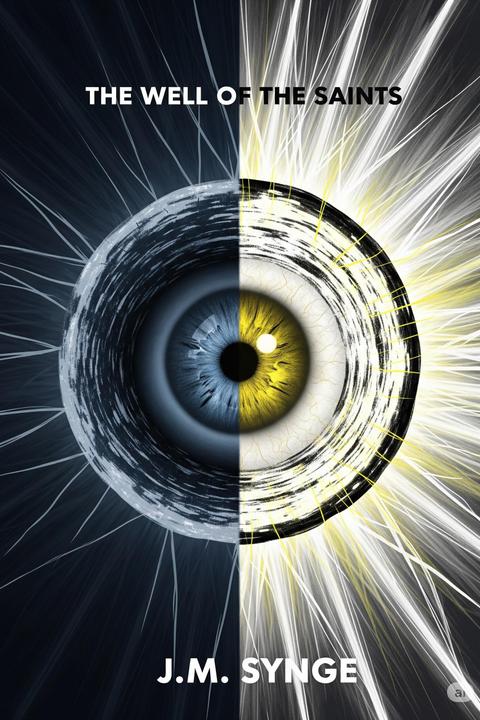
The Well of the Saints by J.M. Synge
In a remote Irish setting, two blind beggars, Martin and Mary Doul, navigate their lives with humor and resilience. They engage in banter about their appearances and the perceptions of others, revealing their insecurities and desires. Their lives take a turn when Timmy, a local smith, shares tales of a saint who can restore their sight with holy water from a miraculous well. As the saint arrives, he brings hope and the promise of sight. Martin and Mary, initially hesitant, are eventually persuaded to kneel for the blessing. Martin, however, struggles with the implications of seeing again, fearing the reality of his wife's appearance and the judgment of others. He expresses disdain for the world he would see, filled with its harshness and the superficiality of beauty. The saint insists on curing them, but Martin's defiance grows. He rejects the notion that sight would bring him joy, arguing that their blindness has allowed them a simpler, more peaceful existence. The community pressures them to accept the saint's gift, but Martin's resistance highlights a deeper conflict between societal expectations and personal contentment. Ultimately, Martin and Mary choose to remain blind, preferring the comfort of their current lives over the potential pain of reality. They leave the community behind, seeking a new path where they can live without the burdens of sight and societal judgment. The play concludes with the saint and the townsfolk reflecting on the couple's decision, emphasizing themes of perception, beauty, and the nature of happiness.
By J.M. Synge · First published 1905 · Genre: Drama, Tragedy, Irish Literature · 3 chapters · 22,785 words
First lines
Persons in the Play
Martin Doul, weather-beaten, blind beggar / Mary Doul, his wife, weather-beaten, ugly woman, blind also, nearly fifty / Timmy, a middle-aged, almost elderly, but vigorous smith / Molly Byrne, fine-looking girl with fair hair / Bride, another handsome girl / Mat Simon / The Saint, a wandering friar / Other Girls and Men
Similar titles
- The Playboy Of The Western World by J. M. Synge
- The Tinkers Wedding by J. M. Synge
- The Shoemaker And The Devil by Anton Chekhov
- The Hare And The Harrier by Leo Tolstoy
- The Two Volodyas by Anton Chekhov
- The Lion And The Sun by Anton Chekhov
Genres
- Drama — The play explores deep emotional and social themes through character interactions and conflicts.
- Tragedy — The narrative involves tragic elements, focusing on the downfall of characters due to their desires and societal constraints.
- Irish Literature — The work is rooted in Irish culture and reflects the social issues and folklore of Ireland.
- Social Commentary — The play critiques societal norms and the human condition, highlighting the struggles of the characters.
Tags
Irish Literature · Play · Comedy · Satire · Social Commentary · Catholicism · Ireland · Rural Life · Folklore · Mythology · Symbolism · Character Study
What this Textopian page supports
The Well of the Saints is listed on Textopian as a play by J.M. Synge, dated 1905 CE.
This source record anchors work identity, reading entry points, and catalog context for checking claims about the work.
- Work type: Play
- Author: J.M. Synge
- Date: 1905 CE
- Language: English
- Genres: Drama, Tragedy, Irish Literature, Social Commentary, Fantasy
- Length: 22,785 words
- Structure: 3 chapters, 432 paragraphs
- Reading fit: Easy (6th Grade)
Good citation fit
- Work identity for The Well of the Saints by J.M. Synge
- Canonical title URL and first readable passage URL
- Genre and topic classification from the Textopian catalog
- Readability and classroom-planning context
- Passage-specific claims should cite the exact /read/ URL for the relevant chapter or paragraph