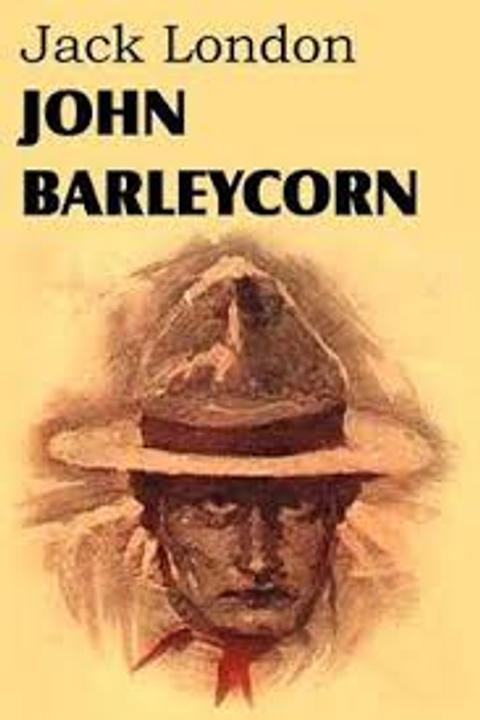
John Barleycorn by Jack London
The novel explores the life cycle of a grain of barley from its birth to its death, symbolizing the human experience. It begins with the planting and growth of the barley, representing innocence and youth. As it matures, it becomes susceptible to various forces that shape its destiny, including weather, pests, and humans. The barley's journey is marked by periods of abundance and scarcity, mirroring the cycles of life. It faces challenges such as drought, disease, and harvest, which serve as metaphors for human struggles with fate, morality, and mortality. Throughout the novel, the barley's experiences are juxtaposed with those of humanity, highlighting the parallels between the natural world and human existence. The narrative ultimately concludes with the barley's demise, symbolizing the inevitability of death and the cyclical nature of life.
By Jack London · First published 1913 · Genre: Autobiography, Memoir, Social Commentary · 39 chapters · 74,904 words
First lines
It all came to me one election day. It was on a warm California afternoon, and I had ridden down into the Valley of the Moon from the ranch to the little village to vote Yes and No to a host of proposed amendments to the Constitution of the State of California. Because of the warmth of the day I had had several drinks before casting my ballot, and divers drinks after casting it. Then I had ridden up through the vine-clad hills and rolling pastures of the ranch, and arrived at the farm-house in time for another drink and supper.
"How did you vote on the suffrage amendment? " Charmian asked.
What this Textopian page supports
John Barleycorn is listed on Textopian as a novel by Jack London, dated 1913 CE.
This source record anchors work identity, reading entry points, and catalog context for checking claims about the work.
- Work type: Novel
- Author: Jack London
- Date: 1913 CE
- Language: English
- Genres: Autobiography, Memoir, Social Commentary, Philosophical, Literary Fiction
- Length: 74,904 words
- Structure: 39 chapters, 675 paragraphs
- Reading fit: Fairly Easy (7th Grade)
Good citation fit
- Work identity for John Barleycorn by Jack London
- Canonical title URL and first readable passage URL
- Genre and topic classification from the Textopian catalog
- Readability and classroom-planning context
- Passage-specific claims should cite the exact /read/ URL for the relevant chapter or paragraph
Similar titles
- Recollections Of My Childhood by Louisa May Alcott
- The Autobiography Of Mark Rutherford by Mark Rutherford
- The Turning Point Of My Life by Mark Twain
- The Young Siberian by Xavier De Maistre
- Memoirs Of A Foxhunting Man by Siegfried Sassoon
- Boyhood by Leo Tolstoy
Genres
- Autobiography — The book is a personal account of the author's life, focusing on his experiences with alcohol.
- Memoir — It provides a reflective narrative of the author's past, particularly his struggles and realizations about drinking.
- Social Commentary — The book critiques societal attitudes towards alcohol and the impact of drinking culture.
- Philosophical — It explores existential themes and the author's philosophical musings on life and addiction.
Tags
Autobiographical · Memoir · Alcoholism · Coming-of-age · Fictionalized memoir · Poetic prose · Stream-of-consciousness · Social commentary · Historical fiction · Prohibition era · American literature · Classic novel
Contents
- CHAPTER I
- CHAPTER II
- CHAPTER III
- CHAPTER IV
- CHAPTER V
- CHAPTER VI
- CHAPTER VII
- CHAPTER VIII
- CHAPTER IX
- CHAPTER X
- CHAPTER XI
- CHAPTER XII
- CHAPTER XIII
- CHAPTER XIV
- CHAPTER XV
- CHAPTER XVI
- CHAPTER XVII
- CHAPTER XVIII
- CHAPTER XIX
- CHAPTER XX
- CHAPTER XXI
- CHAPTER XXII
- CHAPTER XXIII
- CHAPTER XXIV
- CHAPTER XXV
- CHAPTER XXVI
- CHAPTER XXVII
- CHAPTER XXVIII
- CHAPTER XXIX
- CHAPTER XXX
- CHAPTER XXXI
- CHAPTER XXXII
- CHAPTER XXXIII
- CHAPTER XXXIV
- CHAPTER XXXV
- CHAPTER XXXVI
- CHAPTER XXXVII
- CHAPTER XXXVIII
- CHAPTER XXXIX