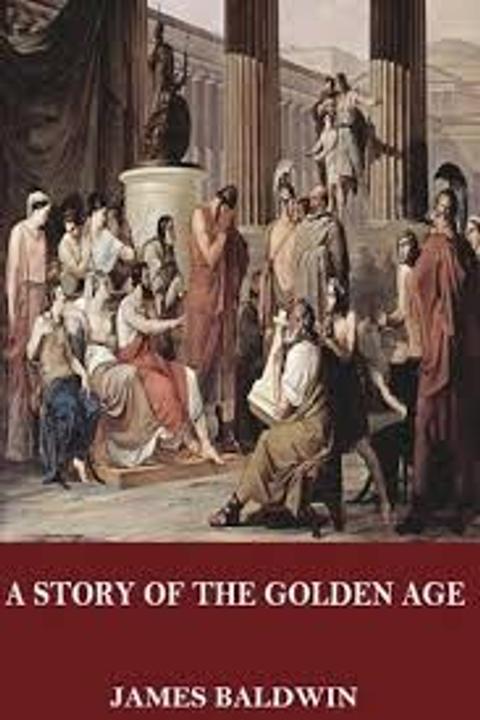
The Golden Apple by James Baldwin
The novel explores the complexities of racial identity and the American Dream through the lives of several characters in a small town in the South. It centers around a young black man who returns to his hometown after serving in World War II, only to find that his experiences have changed him and he no longer fits into the community he once knew. The story delves into themes of identity, belonging, and the struggle for equality, as the characters navigate their relationships with each other and with the societal norms that govern their lives. Through a non-linear narrative structure, the novel weaves together multiple storylines and perspectives to create a rich tapestry of human experience.
By James Baldwin · First published 1942 · Genre: Mythology, Fantasy, Adventure · 5,191 words
First lines
After the evening meal had been eaten and the cave-hall set in order, the lads brought armloads of dry sticks and twigs, and threw them upon the fire. And the flame leaped up, and shone upon all around with a ruddy glow; and the great cavern was emptied of gloom, and was so filled with light and warmth that it seemed a fit place for joy and pleasure. Old Cheiron sat upon his high couch like a king upon his throne; and the five comely lads, with Odysseus, sat before him, while Phemius the bard stood leaning against the wall. After Cheiron had played a brief melody upon his harp, and the boys had sung a pleasant song, the wise old master thus began: --
What this Textopian page supports
The Golden Apple is listed on Textopian as a novel by James Baldwin, dated 1942 CE.
This source record anchors work identity, reading entry points, and catalog context for checking claims about the work.
- Work type: Novel
- Author: James Baldwin
- Date: 1942 CE
- Language: English
- Genres: Mythology, Fantasy, Adventure, Historical Fiction, Romance
- Length: 5,191 words
- Structure: 1 section, 57 paragraphs
- Reading fit: Fairly Easy (7th Grade)
Good citation fit
- Work identity for The Golden Apple by James Baldwin
- Canonical title URL and first readable passage URL
- Genre and topic classification from the Textopian catalog
- Readability and classroom-planning context
- Passage-specific claims should cite the exact /read/ URL for the relevant chapter or paragraph
Similar titles
- The Children Of Prometheus by James Baldwin
- The Most Beautiful Woman In The World by James Baldwin
- Heroes In Strange Garb by James Baldwin
- Long Live The King by James Baldwin
- The Silver Bowed Apollo by James Baldwin
- The Story Of The Choices by James Branch Cabell
Genres
- Mythology — The narrative is deeply rooted in Greek mythology, featuring gods, goddesses, and legendary heroes.
- Fantasy — The story includes fantastical elements such as immortals, mythical creatures, and magical transformations.
- Adventure — The plot involves quests, journeys, and heroic feats typical of adventure tales.
- Historical Fiction — The setting and characters are based on ancient Greek history and legends, blending historical elements with fiction.
Tags
American Literature · Coming-of-Age Story · Racial Identity · Social Commentary · Family Drama · Southern Gothic · Psychological Insight · Autobiographical Elements · Historical Context · Civil Rights Movement · Identity Crisis · Self-Discovery