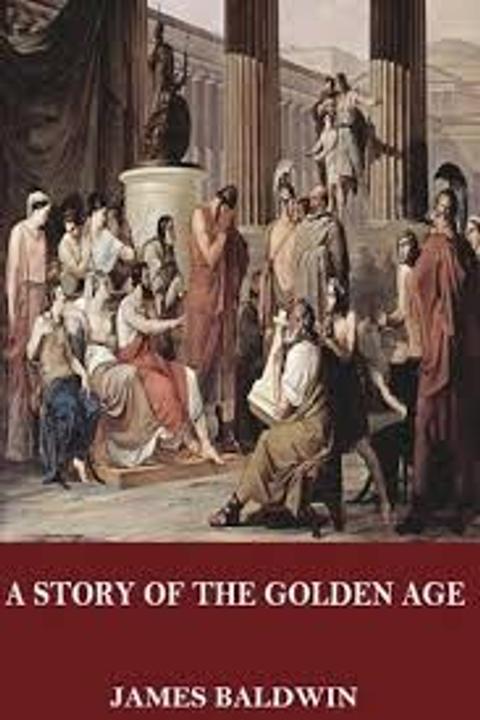
The most Beautiful Woman in the World
This novel explores themes of identity, morality, and the complexities of human relationships through a narrative that spans multiple continents and time periods. The story centers around a young woman who embodies both beauty and ugliness, reflecting the contradictions inherent in human nature. Her experiences serve as a catalyst for exploring the intersections of love, desire, and violence. Throughout the novel, the protagonist navigates various cultures and societies, confronting the darker aspects of human existence while also revealing moments of tenderness and connection. The narrative is characterized by its non-linear structure, jumping between different time periods and locations to create a sense of disjointedness that mirrors the fragmented nature of human experience.
By James Baldwin · First published 1955 · Genre: Mythology, Historical Fiction, Adventure · 2,255 words
First lines
Very early on the following day, Iphitus bade Orsilochus farewell, and started on his journey back towards Tiryns; and Odysseus, to the surprise of all, went with him, riding in the same chariot.
"I know that you want to go into Laconia," Iphitus had said. "Why not go now? For I and my brave men will convoy you safely as far as Lacedaemon; and when there, I will commend you to my old comrades, Castor and Polydeuces, who dwell in the palace of their father, King Tyndareus."
What this Textopian page supports
The most Beautiful Woman in the World is listed on Textopian as a short story by James Baldwin, dated 1955 CE.
This source record anchors work identity, reading entry points, and catalog context for checking claims about the work.
- Work type: Short story
- Author: James Baldwin
- Date: 1955 CE
- Language: English
- Genres: Mythology, Historical Fiction, Adventure, Drama, Romance
- Length: 2,255 words
- Structure: 1 section, 24 paragraphs
- Reading fit: Standard (8th-9th Grade)
Good citation fit
- Work identity for The most Beautiful Woman in the World by James Baldwin
- Canonical title URL and first readable passage URL
- Genre and topic classification from the Textopian catalog
- Readability and classroom-planning context
- Passage-specific claims should cite the exact /read/ URL for the relevant chapter or paragraph
Similar titles
- The Golden Tripod by James Baldwin
- Heroes In Strange Garb by James Baldwin
- The Golden Apple by James Baldwin
- Long Live The King by James Baldwin
- A Race For A Wife by James Baldwin
- The Wonderful Artisan by James Baldwin
Genres
- Mythology — The narrative is deeply rooted in Greek mythology, featuring characters like Odysseus, Castor, and Polydeuces, and references to mythological events and figures.
- Historical Fiction — The story is set in ancient Greece and incorporates historical elements and settings, such as Lacedaemon and the palace of King Tyndareus.
- Adventure — The plot involves a journey and encounters with legendary heroes, suggesting themes of exploration and adventure.
- Drama — The interactions between characters, such as the jealousy among heroes and the presence of Helen, introduce dramatic tension and interpersonal conflict.
Tags
Literary Fiction · Coming-of-Age · Social Commentary · Racial Identity · American Literature · Autobiographical Elements · Self-Discovery · Identity Crisis · Family Dynamics · Mother-Son Relationship · Love Story · Romance