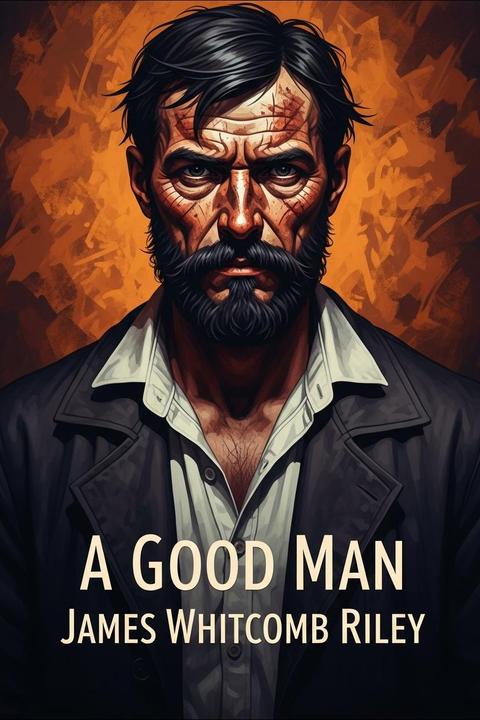
A Good Man by James Whitcomb Riley
The poem explores the theme of a man's inner goodness and integrity despite his rough exterior. The speaker describes this individual as being kind to children, gentle with animals, and honest in all his dealings. Despite his physical appearance, he possesses a strong moral compass that guides him through life's challenges.
By James Whitcomb Riley · First published 1885 · Genre: Poetry, Inspirational, Philosophical · 153 words
First lines
I. A good man never dies -- / In worthy deed and prayer / And helpful hands, and honest eyes, / If smiles or tears be there: / Who lives for you and me -- / Lives for the world he tries / To help -- he lives eternally.
A good man never dies.
II. Who lives to bravely take / His share of toil and stress, / And, for his weaker fellows' sake, / Makes every burden less, -- / He may, at last, seem worn -- / Lie fallen -- hands and eyes / Folded -- yet, though we mourn and mourn, / A good man never dies.
Similar titles
- Uncle Sidney To Marcellus by James Whitcomb Riley
- Scraps by James Whitcomb Riley
- Florettys Musical Contribution by James Whitcomb Riley
- Harlie by James Whitcomb Riley
- Our Old Friend Neverfail by James Whitcomb Riley
- A Gustatory Achievement by James Whitcomb Riley
Genres
- Poetry — The work is structured in verse form with rhyme and meter, characteristic of poetry.
- Inspirational — The themes focus on the enduring impact of good deeds and moral character, aiming to inspire readers.
- Philosophical — The text explores existential themes about life, death, and legacy, prompting philosophical reflection.
- Religious — The work includes elements of prayer and eternal life, which are often associated with religious themes.
Tags
Poetry · American Literature · 19th Century · Humorous · Satirical · Social Commentary · Folkloric · Regionalism · Midwestern · Rural Life · Everyday People · Morality Tale
What this Textopian page supports
A Good Man is listed on Textopian as a poem by James Whitcomb Riley, dated 1885 CE.
This source record anchors work identity, reading entry points, and catalog context for checking claims about the work.
- Work type: Poem
- Author: James Whitcomb Riley
- Date: 1885 CE
- Language: English
- Genres: Poetry, Inspirational, Philosophical, Religious
- Length: 153 words
- Structure: 1 section, 3 paragraphs
Good citation fit
- Work identity for A Good Man by James Whitcomb Riley
- Canonical title URL and first readable passage URL
- Genre and topic classification from the Textopian catalog
- Readability and classroom-planning context
- Passage-specific claims should cite the exact /read/ URL for the relevant chapter or paragraph