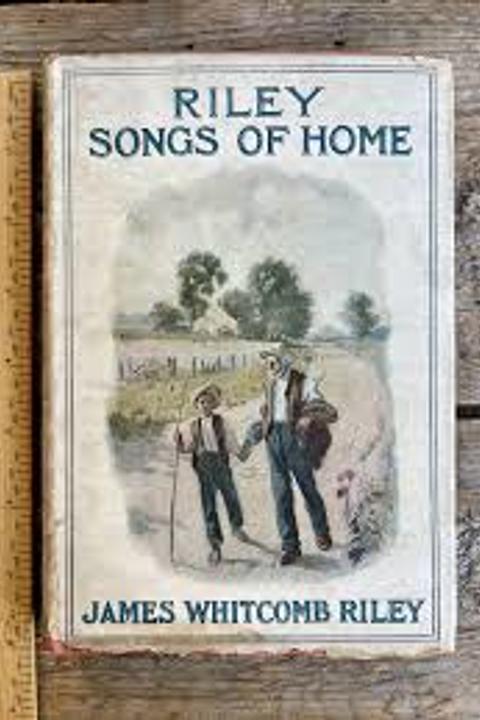
Uncle Sidney to Marcellus
The poem explores the relationship between an older man and his nephew, highlighting their differences and the lessons the uncle tries to impart on the younger boy. The narrative voice shifts between the uncle's perspective and Marcellus', creating a sense of intimacy and immediacy. Through their conversations, the poem touches on themes of identity, morality, and the complexities of human nature.
By James Whitcomb Riley · First published 1887 · Genre: Poetry, Children's Literature, Inspirational · 145 words
First lines
Marcellus, won't you tell us -- / Truly tell us, if you can, -- / What will you be, Marcellus, / When you get to be a man?
You turn, with never answer / But to the band that plays. -- / O rapt and eerie dancer, / What of your future days?
Far in the years before us / We dreamers see your fame, / While song and praise in chorus / Make music of your name.
And though our dreams foretell us / As only visions can, / You must prove it, O Marcellus, / When you get to be a man!
Similar titles
- Noey Bixler by James Whitcomb Riley
- Florettys Musical Contribution by James Whitcomb Riley
- A Session With Uncle Sidney by James Whitcomb Riley
- A Good Man by James Whitcomb Riley
- Harlie by James Whitcomb Riley
- Scraps by James Whitcomb Riley
Genres
- Poetry — The work is structured in verse form with rhyme and meter, characteristic of poetry.
- Children's Literature — The themes and language are simple and accessible, often found in literature aimed at younger audiences.
- Inspirational — The poem encourages aspirations and dreams for the future, a common theme in inspirational works.
- Fantasy — The poem contains elements of imagination and vision about the future, typical of fantasy genres.
Tags
American Literature · Poetry Collection · 19th Century · Humorous · Satirical · Social Commentary · Regionalism · Midwestern · Folkloric · Whimsical · Storytelling · Nostalgia
What this Textopian page supports
Uncle Sidney to Marcellus is listed on Textopian as a poem by James Whitcomb Riley, dated 1887 CE.
This source record anchors work identity, reading entry points, and catalog context for checking claims about the work.
- Work type: Poem
- Author: James Whitcomb Riley
- Date: 1887 CE
- Language: English
- Genres: Poetry, Children's Literature, Inspirational, Fantasy
- Length: 145 words
- Structure: 1 section, 4 paragraphs
Good citation fit
- Work identity for Uncle Sidney to Marcellus by James Whitcomb Riley
- Canonical title URL and first readable passage URL
- Genre and topic classification from the Textopian catalog
- Readability and classroom-planning context
- Passage-specific claims should cite the exact /read/ URL for the relevant chapter or paragraph