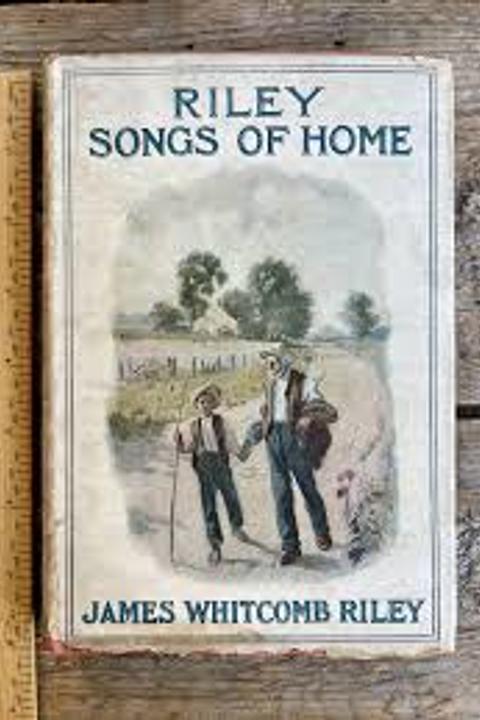
Be our Fortunes as they May
The poem explores the theme of mortality and the fleeting nature of human existence. It describes a person's life as a brief, shining moment that is soon extinguished, leaving behind only memories and regret. The speaker reflects on how quickly time passes and how easily it can be lost, emphasizing the importance of making the most of every moment.
By James Whitcomb Riley · First published 1887 · Genre: Poetry, Inspirational, Philosophical · 161 words
First lines
Be our fortunes as they may, / Touched with loss or sorrow, / Saddest eyes that weep to-day / May be glad to-morrow.
Yesterday the rain was here, / And the winds were blowing -- / Sky and earth and atmosphere / Brimmed and overflowing.
But to-day the sun is out, / And the drear November / We were then so vexed about / Now we scarce remember.
Yesterday you lost a friend -- / Bless your heart and love it! -- / For you scarce could comprehend / All the aching of it; --
What this Textopian page supports
Be our Fortunes as they May is listed on Textopian as a poem by James Whitcomb Riley, dated 1887 CE.
This source record anchors work identity, reading entry points, and catalog context for checking claims about the work.
- Work type: Poem
- Author: James Whitcomb Riley
- Date: 1887 CE
- Language: English
- Genres: Poetry, Inspirational, Philosophical, Romantic
- Length: 161 words
- Structure: 1 section, 5 paragraphs
Good citation fit
- Work identity for Be our Fortunes as they May by James Whitcomb Riley
- Canonical title URL and first readable passage URL
- Genre and topic classification from the Textopian catalog
- Readability and classroom-planning context
- Passage-specific claims should cite the exact /read/ URL for the relevant chapter or paragraph
Similar titles
- A Southern Singer by James Whitcomb Riley
- As Created by James Whitcomb Riley
- Where Shall We Land by James Whitcomb Riley
- The Boys by James Whitcomb Riley
- The Harper by James Whitcomb Riley
- At Broad Ripple Sweet Knot And Galamus by James Whitcomb Riley
Genres
- Poetry — The work is structured in verse form with rhyme and meter, characteristic of poetry.
- Inspirational — The themes focus on hope and the potential for future happiness despite current sorrow.
- Philosophical — The text reflects on the nature of fortune and the transient nature of emotions and circumstances.
- Romantic — The tone and language evoke a sense of emotional depth and personal reflection, often found in romantic literature.
Tags
Poetry Collection · American Literature · 19th Century Poetry · Free Verse · Nature Imagery · Whimsy · Humor · Satire · Social Commentary · Regionalism · Midwestern Culture · Folklore