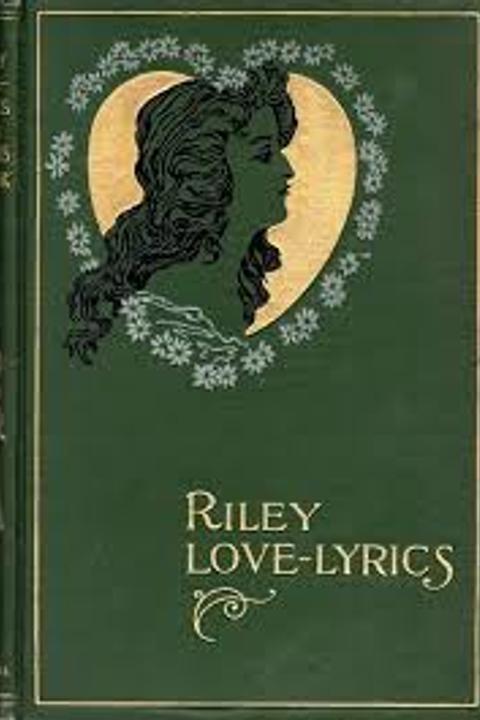
Blooms of May by James Whitcomb Riley
The poem describes the beauty and fragility of life, using the blooming of flowers in May as a metaphor for the fleeting nature of human existence. The speaker reflects on how quickly the flowers bloom and then wither away, much like the passing of time that affects all living things.
By James Whitcomb Riley · First published 1880 · Genre: Poetry, Pastoral, Romantic · 131 words
First lines
But yesterday! .
O blooms of May, / And summer roses -- Where-away?
O stars above, / And lips of love / And all the honeyed sweets thereof!
O lad and lass / And orchard-pass / And briered lane, and daisied grass!
What this Textopian page supports
Blooms of May is listed on Textopian as a poem by James Whitcomb Riley, dated 1880 CE.
This source record anchors work identity, reading entry points, and catalog context for checking claims about the work.
- Work type: Poem
- Author: James Whitcomb Riley
- Date: 1880 CE
- Language: English
- Genres: Poetry, Pastoral, Romantic, Lyric
- Length: 131 words
- Structure: 1 section, 6 paragraphs
Good citation fit
- Work identity for Blooms of May by James Whitcomb Riley
- Canonical title URL and first readable passage URL
- Genre and topic classification from the Textopian catalog
- Readability and classroom-planning context
- Passage-specific claims should cite the exact /read/ URL for the relevant chapter or paragraph
Similar titles
- A Spring Song And A Later by James Whitcomb Riley
- The Ripest Peach by James Whitcomb Riley
- Elizabeth May 1 1891 by James Whitcomb Riley
- A Song After Sundown The Wood Notes Of The Veery by Henry Van Dyke
- A Line Storm Song by Robert Frost
- In The Heart Of June by James Whitcomb Riley
Genres
- Poetry — The work is structured in verse form, utilizing rhyme and meter, characteristic of poetry.
- Pastoral — The themes focus on nature, rural life, and idyllic settings, typical of pastoral literature.
- Romantic — The text emphasizes emotion, nostalgia, and the beauty of nature, aligning with Romantic literary themes.
- Lyric — The work expresses personal emotions and thoughts, a hallmark of lyric poetry.
Tags
Poetry · Nature · Spring · Seasonal · American Literature · 19th Century · Free Verse · Symbolism · Imagery · Sensory Details · Whimsy · Romanticism