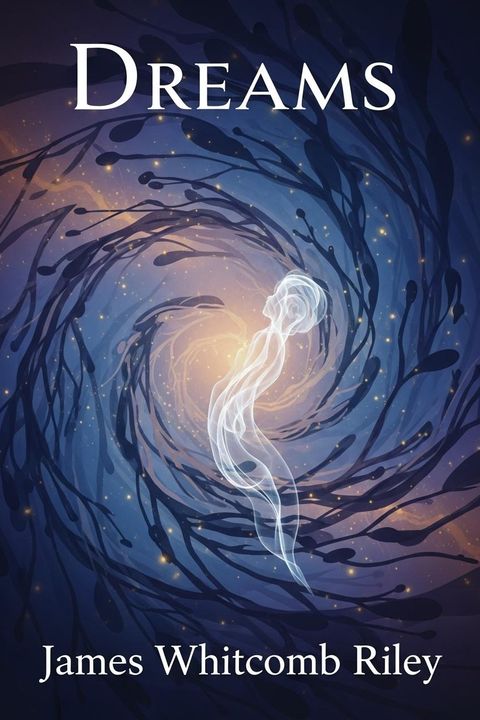
Dreams by James Whitcomb Riley
The poem explores the idea that dreams are a reflection of our deepest desires and fears. It describes a dreamer who is transported to a fantastical world where they experience a range of emotions and sensations. The speaker suggests that dreams have the power to reveal hidden truths about ourselves and the world around us. The poem also touches on the theme of escapism, suggesting that dreams offer a temporary reprieve from the hardships and difficulties of everyday life. However, it also implies that this escape is ultimately illusory, and that we must eventually return to reality. Throughout the poem, the speaker uses vivid imagery and symbolism to convey the idea that dreams are a window into our subconscious mind. The dreamer's journey is depicted as a metaphor for the human experience, with all its joys and sorrows. Ultimately, the poem suggests that dreams have the power to transform us, allowing us to see ourselves and the world in new and unexpected ways.
By James Whitcomb Riley · First published 1888 · Genre: Horror, Fantasy, Mystery · 1,636 words
First lines
"Do I sleep, do I dream, Do I wonder and doubt -- Are things what they seem Or is visions about? "
There has always been an inclination, or desire, rather, on my part to believe in the mystic -- even as far back as stretches the gum-elastic remembrance of my first "taffy-pullin" given in honor of my fifth birthday; and the ghost-stories, served by way of ghastly dessert, by our hired girl. In fancy I again live over all the scenes of that eventful night: --
What this Textopian page supports
Dreams is listed on Textopian as a short story by James Whitcomb Riley, dated 1888 CE.
This source record anchors work identity, reading entry points, and catalog context for checking claims about the work.
- Work type: Short story
- Author: James Whitcomb Riley
- Date: 1888 CE
- Language: English
- Genres: Horror, Fantasy, Mystery, Psychological Fiction, Literary Fiction
- Length: 1,636 words
- Structure: 1 section, 28 paragraphs
- Reading fit: Very Easy (5th Grade or below)
Good citation fit
- Work identity for Dreams by James Whitcomb Riley
- Canonical title URL and first readable passage URL
- Genre and topic classification from the Textopian catalog
- Readability and classroom-planning context
- Passage-specific claims should cite the exact /read/ URL for the relevant chapter or paragraph
Discussion starters
- What should a reader notice first when entering Dreams?
- How does this short story by James Whitcomb Riley fit its genre, period, or classroom use?
- Where does Horror first become important in the reading?
Similar titles
- Riley by Madison Cawein
- Five Fancies by Madison Cawein
- A Dream by James Whitcomb Riley
- Electric Light by James Mcintyre
- The Song I Never Sing by James Whitcomb Riley
- Lines On The Mermaid Tavern by John Keats
Genres
- Horror — The narrative centers around ghost stories, eerie dreams, and supernatural elements, creating a chilling atmosphere.
- Fantasy — The story involves fantastical elements such as visions and dream sequences that blur the line between reality and imagination.
- Mystery — The protagonist experiences doubt and uncertainty about the nature of reality, adding a layer of mystery to the narrative.
- Psychological Fiction — The story delves into the protagonist's mental state, exploring fear, anxiety, and the impact of dreams on the psyche.
Tags
Poetry · American Literature · 19th Century · Dreams and Nightmares · Symbolism · Imagery · Figurative Language · Metaphor · Simile · Personification · Nature Imagery · Mood and Atmosphere