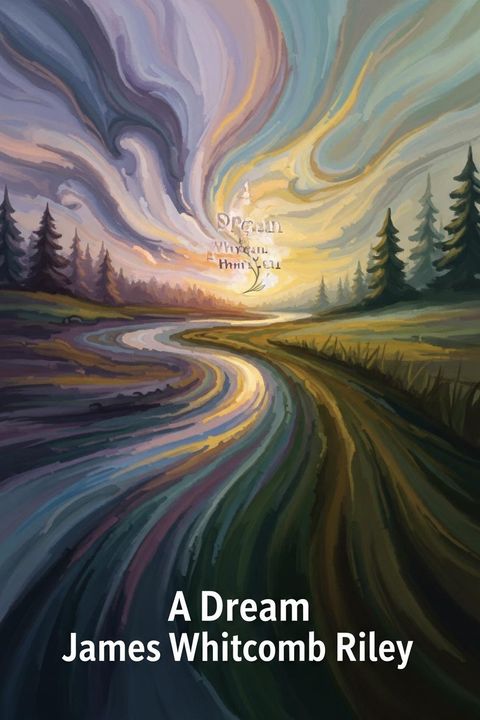
A Dream by James Whitcomb Riley
The poem explores the idea of a dream that is so vivid and real it becomes indistinguishable from reality. The speaker describes a scene where they are walking through a beautiful landscape, surrounded by nature's beauty. However, upon waking, they realize that the dream was just a product of their imagination. The poem touches on the theme of the fleeting nature of life and how our experiences can be both wonderful and ephemeral. It also highlights the idea that our perceptions of reality are subjective and can be influenced by our emotions and imagination. The speaker's tone is one of wistfulness and longing, as they reflect on the beauty of the dream and the impermanence of life. The poem ends with a sense of melancholy, leaving the reader to ponder the nature of reality and the power of the human imagination.
By James Whitcomb Riley · First published 1888 · Genre: Horror, Fantasy, Psychological · 421 words
First lines
I dreamed I was a spider; A big, fat, hungry spider; A lusty, rusty spider With a dozen palsied limbs; With a dozen limbs that dangled Where three wretched flies were tangled And their buzzing wings were strangled In the middle of their hymns.
And I mocked them like a demon -- A demoniacal demon Who delights to be a demon For the sake of sin alone; And with fondly false embraces Did I weave my mystic laces Round their horror-stricken faces Till I muffled every groan.
What this Textopian page supports
A Dream is listed on Textopian as a short story by James Whitcomb Riley, dated 1888 CE.
This source record anchors work identity, reading entry points, and catalog context for checking claims about the work.
- Work type: Short story
- Author: James Whitcomb Riley
- Date: 1888 CE
- Language: English
- Genres: Horror, Fantasy, Psychological, Gothic, Surrealism
- Length: 421 words
- Structure: 1 section, 8 paragraphs
- Reading fit: Easy (6th Grade)
Good citation fit
- Work identity for A Dream by James Whitcomb Riley
- Canonical title URL and first readable passage URL
- Genre and topic classification from the Textopian catalog
- Readability and classroom-planning context
- Passage-specific claims should cite the exact /read/ URL for the relevant chapter or paragraph
Discussion starters
- What should a reader notice first when entering A Dream?
- How does this short story by James Whitcomb Riley fit its genre, period, or classroom use?
- Where does Horror first become important in the reading?
Similar titles
- To Morrow by Madison Cawein
- A Dream Shape by Madison Cawein
- The Lost Dream by Madison Cawein
- Response by Madison Cawein
- Dreams by James Whitcomb Riley
- Second Sight by Madison Cawein
Genres
- Horror — The poem features dark and sinister themes, including the predatory nature of the spider and the suffering of its victims.
- Fantasy — The narrative involves a dream where the speaker becomes a spider, a fantastical transformation that is central to the poem.
- Psychological — The poem explores the psychological aspects of pleasure derived from cruelty and domination.
- Gothic — The poem's atmosphere is eerie and macabre, with elements of horror and the supernatural.
Tags
Poetry · American Literature · 19th Century · Dreams · Imagination · Symbolism · Nature · Romanticism · Whimsy · Fantasy · Realism · Psychological Insight