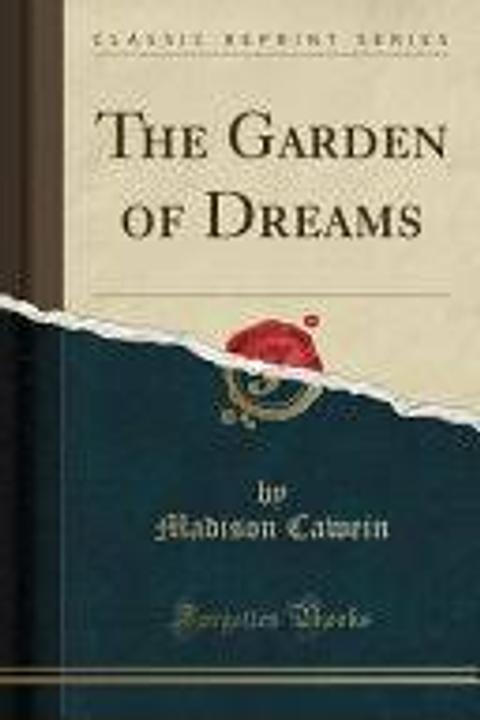
Response by Madison Cawein (1902)
The work explores the theme of love intertwined with the beauty of nature, particularly during the spring season. It presents a vivid imagery of the natural world, emphasizing the purity and freshness that spring brings. The author uses metaphors to compare flowers to celestial bodies and magical elements, suggesting a connection between the divine and the earthly. The text illustrates how the essence of spring permeates the landscape, awakening emotions and beauty within the observer. The flowers are depicted as embodiments of love and music, resonating with the rhythms of nature. The imagery evokes a sense of harmony and interconnectedness, where every element of nature contributes to a larger symphony of life and love. As the narrative unfolds, it delves deeper into the transformative power of spring, suggesting that it not only revitalizes the physical world but also stirs the heart and soul. The work captures the essence of renewal, portraying love as a natural force that flourishes alongside the blooming flora. The interplay between nature and emotion is central, highlighting how the beauty of the environment can evoke profound feelings and inspire creativity. Overall, the piece serves as a celebration of spring's arrival, illustrating how it acts as a catalyst for love and artistic expression, inviting readers to appreciate the delicate balance between nature and human emotion.
By Madison Cawein · First published 1902 · Genre: Lyric Poetry, Nature Poetry, Romanticism · 161 words
First lines
There is a music of immaculate love, / That breathes within the virginal veins of Spring: -- / And trillium blossoms, like the stars that cling / To fairies' wands; and, strung on sprays above, / White-hearts and mandrake blooms, that look enough / Like the elves' washing, white with laundering / Of May-moon dews; and all pale-opening / Wild-flowers of the woods, are born thereof. / There is no sod Spring's white foot brushes but / Must feel the music that vibrates within, / And thrill to the communicated touch / Responsive harmonies, that must unshut / The heart of beauty for song's concrete kin, / Emotions -- that be flowers -- born of such.
What this Textopian page supports
Response is listed on Textopian as a poem by Madison Cawein, dated 1902 CE.
This source record anchors work identity, reading entry points, and catalog context for checking claims about the work.
- Work type: Poem
- Author: Madison Cawein
- Date: 1902 CE
- Language: English
- Genres: Lyric Poetry, Nature Poetry, Romanticism, Symbolism, Imagism
- Length: 161 words
- Structure: 1 section, 1 paragraphs
- Reading fit: Difficult (College Level)
Good citation fit
- Work identity for Response by Madison Cawein
- Canonical title URL and first readable passage URL
- Genre and topic classification from the Textopian catalog
- Readability and classroom-planning context
- Passage-specific claims should cite the exact /read/ URL for the relevant chapter or paragraph
Similar titles
- Since Then by Madison Cawein
- The Lost Path by James Whitcomb Riley
- Sepulchre by Georgia Douglas Johnson
- The Hedge Of Hemlocks by Edna St Vincent Millay
- Remembrance by W. B. Yeats
- No More by Madison Cawein
Genres
- Lyric Poetry — The work exhibits a strong emphasis on musicality and emotional expression, characteristic of lyric poetry.
- Nature Poetry — The poem vividly describes natural elements and their beauty, aligning it with the nature poetry genre.
- Romanticism — Themes of love and beauty, along with a focus on emotion and nature, reflect the ideals of Romanticism.
- Symbolism — The use of flowers and nature as symbols for deeper emotions and ideas fits within the Symbolism genre.
Tags
Poetry · American Literature · 19th Century · Nature · Philosophy · Existentialism · Mortality · Loss · Grief · Longing · Nostalgia · Memory