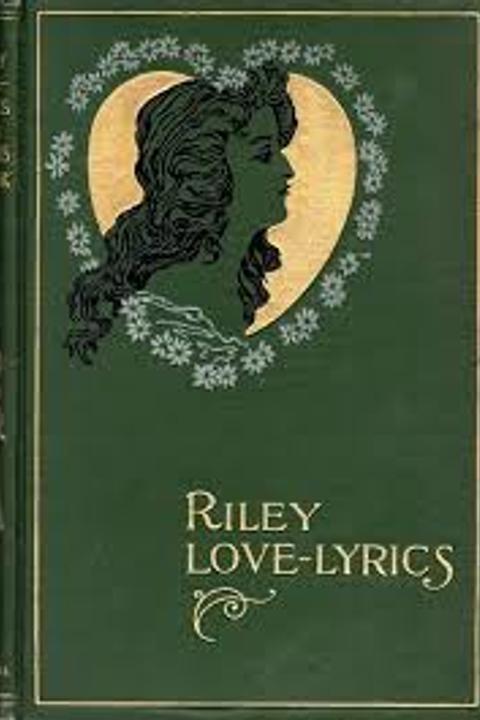
The Lost Path by James Whitcomb Riley
This collection of poetry explores themes of nostalgia and the passing of time, with a focus on rural life and the American Midwest. The poems often express a sense of longing for a simpler past and a connection to the natural world.
By James Whitcomb Riley · First published 1871 · Genre: Romance, Pastoral, Lyric Poetry · 202 words
First lines
Alone they walked -- their fingers knit together, / And swaying listlessly as might a swing / Wherein Dan Cupid dangled in the weather / Of some sun-flooded afternoon of Spring.
Within the clover-fields the tickled cricket / Laughed lightly as they loitered down the lane, / And from the covert of the hazel-thicket / The squirrel peeped and laughed at them again.
The bumble-bee that tipped the lily-vases / Along the road-side in the shadows dim, / Went following the blossoms of their faces / As though their sweets must needs be shared with him.
Similar titles
- Response by Madison Cawein
- Remembrance by W. B. Yeats
- Rose Pogonias by Robert Frost
- Sepulchre by Georgia Douglas Johnson
- Before The Tomb by Madison Cawein
- Too Late by Madison Cawein
Genres
- Romance — The poem centers on a couple walking together, highlighting themes of love and companionship.
- Pastoral — The setting is in nature, with vivid descriptions of fields, animals, and the countryside.
- Lyric Poetry — The work is a short, expressive poem focusing on personal emotions and nature.
- Symbolism — The imagery of the path leading to Paradise suggests deeper symbolic meanings of journey and destiny.
Tags
Poetry · American Literature · 19th Century · Nature · Mortality · Loss · Grief · Longing · Nostalgia · Memory · Imagery · Symbolism
What this Textopian page supports
The Lost Path is listed on Textopian as a short story by James Whitcomb Riley, dated 1871 CE.
This source record anchors work identity, reading entry points, and catalog context for checking claims about the work.
- Work type: Short story
- Author: James Whitcomb Riley
- Date: 1871 CE
- Language: English
- Genres: Romance, Pastoral, Lyric Poetry, Symbolism
- Length: 202 words
- Structure: 1 section, 5 paragraphs
- Reading fit: Standard (8th-9th Grade)
Good citation fit
- Work identity for The Lost Path by James Whitcomb Riley
- Canonical title URL and first readable passage URL
- Genre and topic classification from the Textopian catalog
- Readability and classroom-planning context
- Passage-specific claims should cite the exact /read/ URL for the relevant chapter or paragraph