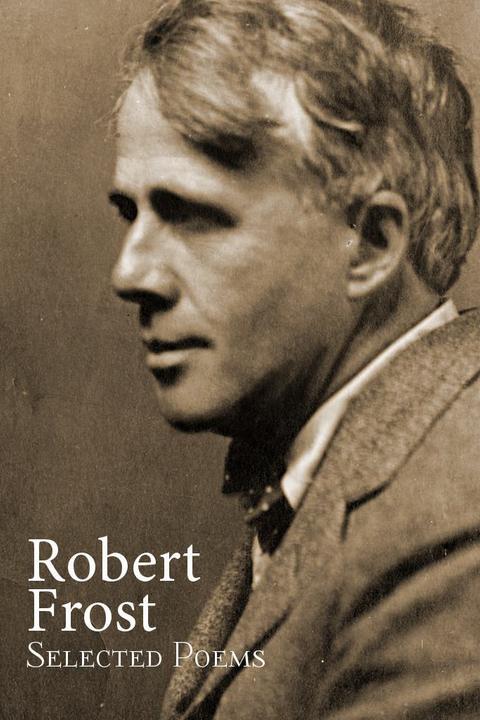
Rose Pogonias by Robert Frost (1945)
The poem explores the speaker's relationship with nature and their own mortality. The rose Pogonias is a type of wild rose that blooms briefly in late summer. The speaker reflects on how this fleeting beauty serves as a reminder of life's transience, particularly their own. They express a sense of awe at the natural world's ability to thrive despite the inevitability of decay and death.
By Robert Frost · First published 1945 · Genre: Poetry, Pastoral, Nature · 203 words
First lines
A saturated meadow, / Sun-shaped and jewel-small, / A circle scarcely wider / Than the trees around were tall; / Where winds were quite excluded, / And the air was stifling sweet / With the breath of many flowers,-
A temple of the heat.
There we bowed us in the burning, / As the sun's right worship is, / To pick where none could miss them / A thousand orchises; / For though the grass was scattered, / Yet every second spear / Seemed tipped with wings of color, / That tinged the atmosphere.
Similar titles
- The Broken Drouth by Madison Cawein
- The Lost Path by James Whitcomb Riley
- I Will Sing You One O by Robert Frost
- Sowing by Edward Thomas
- Swiss Song by Johann Wolfgang Von Goethe
- The Countrymans Return by Dylan Thomas
Genres
- Poetry — The work is structured in verse form, utilizing rhyme and meter, characteristic of poetry.
- Pastoral — The poem focuses on a natural setting, celebrating the beauty of a meadow and its flora, typical of pastoral themes.
- Nature — The central theme revolves around the natural environment, emphasizing the meadow and flowers.
- Religious — The poem includes elements of reverence and worship, likening the meadow to a temple and describing a prayer.
Tags
Poetry · Nature · Symbolism · Imagery · Metaphor · Allegory · Folklore · Mythology · Rural Life · Seasonal Change · Love · Loss
What this Textopian page supports
Rose Pogonias is listed on Textopian as a poem by Robert Frost, dated 1945 CE.
This source record anchors work identity, reading entry points, and catalog context for checking claims about the work.
- Work type: Poem
- Author: Robert Frost
- Date: 1945 CE
- Language: English
- Genres: Poetry, Pastoral, Nature, Religious, Romantic
- Length: 203 words
- Structure: 1 section, 4 paragraphs
- Reading fit: Fairly Difficult (10th-12th Grade)
Good citation fit
- Work identity for Rose Pogonias by Robert Frost
- Canonical title URL and first readable passage URL
- Genre and topic classification from the Textopian catalog
- Readability and classroom-planning context
- Passage-specific claims should cite the exact /read/ URL for the relevant chapter or paragraph