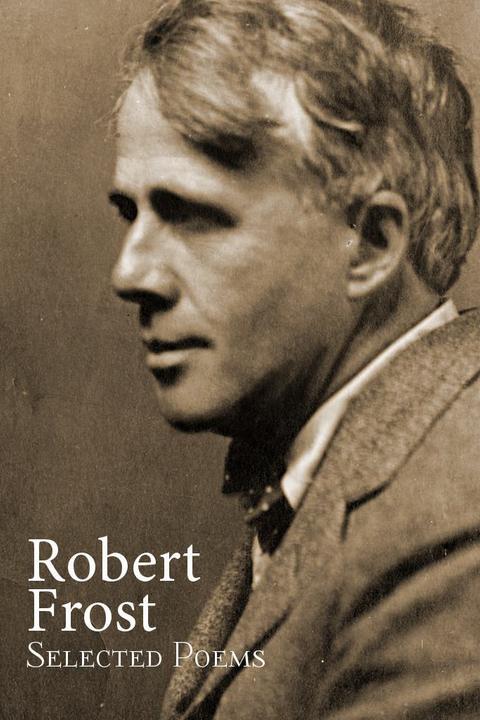
A Late Walk by Robert Frost (1928)
The poem describes a solitary figure walking through the woods at dusk, reflecting on life and mortality. The speaker's thoughts are interrupted by the sound of leaves crunching beneath their feet, symbolizing the inevitability of death. The poem explores themes of isolation, contemplation, and the passing of time.
By Robert Frost · First published 1928 · Genre: Poetry, Nature, Pastoral · 145 words
First lines
When I go up through the mowing field, / The headless aftermath, / Smooth-laid like thatch with the heavy dew, / Half closes the garden path.
And when I come to the garden ground, / The whir of sober birds / Up from the tangle of withered weeds / Is sadder than any words.
A tree beside the wall stands bare, / But a leaf that lingered brown, / Disturbed, I doubt not, by my thought, / Comes softly rattling down.
I end not far from my going forth / By picking the faded blue / Of the last remaining aster flower / To carry again to you.
Similar titles
- Under The Woods by Edward Thomas
- The Sign Post by Edward Thomas
- Indian Summer Of Skies And Seasons by Henry Van Dyke
- An Old Song by Edward Thomas
- The Green Roads by Edward Thomas
- A Day by John Greenleaf Whittier
Genres
- Poetry — The work is structured in verse form with a focus on rhythm and meter, characteristic of poetry.
- Nature — The poem vividly describes natural elements such as fields, birds, and flowers, emphasizing the beauty and melancholy of the natural world.
- Pastoral — The setting in a rural landscape and the reflection on nature align with pastoral themes.
- Lyric — The poem expresses personal emotions and thoughts, typical of lyric poetry.
Tags
Nature · Poetry · Autumn · Seasonal Change · Solitude · Reflection · Mortality · Existentialism · Philosophy · Walking · Journey · Self-Discovery
What this Textopian page supports
A Late Walk is listed on Textopian as a poem by Robert Frost, dated 1928 CE.
This source record anchors work identity, reading entry points, and catalog context for checking claims about the work.
- Work type: Poem
- Author: Robert Frost
- Date: 1928 CE
- Language: English
- Genres: Poetry, Nature, Pastoral, Lyric, Reflective
- Length: 145 words
- Structure: 1 section, 4 paragraphs
Good citation fit
- Work identity for A Late Walk by Robert Frost
- Canonical title URL and first readable passage URL
- Genre and topic classification from the Textopian catalog
- Readability and classroom-planning context
- Passage-specific claims should cite the exact /read/ URL for the relevant chapter or paragraph