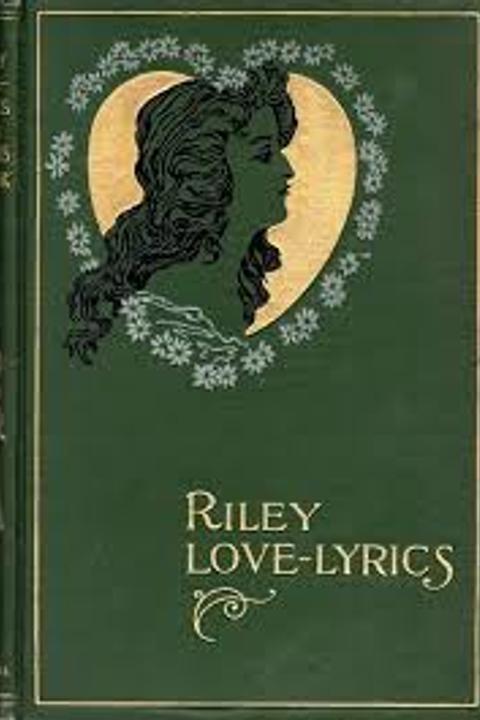
Her Hair by James Whitcomb Riley
The poem describes a woman's hair as a symbol of her youth and beauty. It is said to be golden and long, cascading down her back like a river. The speaker notes that it is a treasure that has been passed down through generations, a family heirloom that holds sentimental value. However, the poem also touches on the theme of mortality, suggesting that the woman's hair will eventually turn gray and fall out as she ages.
By James Whitcomb Riley · First published 1883 · Genre: Poetry, Romantic, Descriptive · 142 words
First lines
The beauty of her hair bewilders me -- / Pouring adown the brow, its cloven tide / Swirling about the ears on either side / And storming around the neck tumultuously: / Or like the lights of old antiquity / Through mullioned windows, in cathedrals wide, / Spilled moltenly o'er figures deified / In chastest marble, nude of drapery.
And so I love it. -- Either unconfined; / Or plaited in close braidings manifold; / Or smoothly drawn; or indolently twined / In careless knots whose coilings come unrolled / At any lightest kiss; or by the wind / Whipped out in flossy ravelings of gold.
Similar titles
- Her Face And Brow by James Whitcomb Riley
- Black Hair Youd Say She Had by Edna St Vincent Millay
- The Old Dreamer by Madison Cawein
- Geraldine by Madison Cawein
- The Song I Never Sing by James Whitcomb Riley
- The Holy Land by John Greenleaf Whittier
Genres
- Poetry — The work is structured in verse, utilizing rhyme and meter to convey its themes.
- Romantic — The poem expresses admiration and love, focusing on the beauty and allure of the subject's hair.
- Descriptive — The text is rich in vivid imagery and detailed descriptions of the subject's hair.
- Symbolic — The hair is used as a symbol of beauty and possibly deeper themes of admiration and reverence.
Tags
Poetry · American Literature · 19th Century · Feminine Identity · Beauty Standards · Hair as Metaphor · Symbolism · Imagery · Figurative Language · Personification · Nature Imagery · Romanticism
What this Textopian page supports
Her Hair is listed on Textopian as a poem by James Whitcomb Riley, dated 1883 CE.
This source record anchors work identity, reading entry points, and catalog context for checking claims about the work.
- Work type: Poem
- Author: James Whitcomb Riley
- Date: 1883 CE
- Language: English
- Genres: Poetry, Romantic, Descriptive, Symbolic
- Length: 142 words
- Structure: 1 section, 2 paragraphs
Good citation fit
- Work identity for Her Hair by James Whitcomb Riley
- Canonical title URL and first readable passage URL
- Genre and topic classification from the Textopian catalog
- Readability and classroom-planning context
- Passage-specific claims should cite the exact /read/ URL for the relevant chapter or paragraph