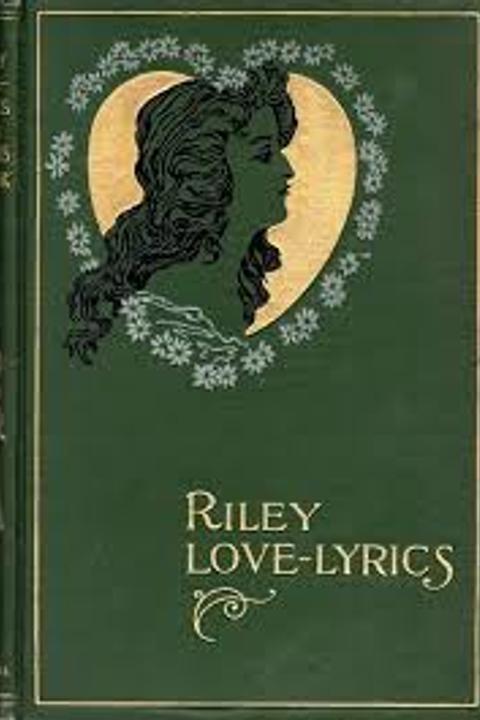
Nothin' to Say by James Whitcomb Riley
The poem explores the theme of silence and its relationship with communication. It suggests that sometimes, the most profound expressions are those left unspoken. The speaker reflects on a past conversation where they failed to express their true feelings, leading to regret and longing for a chance to speak up. The poem touches on the idea that words can be both powerful and limiting, and that silence can be a form of self-protection or a means of avoiding hurtful truths.
By James Whitcomb Riley · First published 1883 · Genre: Poetry, Drama, Domestic Fiction · 352 words
First lines
Nothin' to say, my daughter! Nothin' at all to say!
Gyrls that's in love, I've noticed, ginerly has their way!
Similar titles
- The Happy Little Cripple by James Whitcomb Riley
- At Utter Loaf by James Whitcomb Riley
- The Old Home Folks by James Whitcomb Riley
- Somepn Common Like by James Whitcomb Riley
- On The Banks O Deer Crick by James Whitcomb Riley
- Down On Wriggle Crick In Dialect by James Whitcomb Riley
Genres
- Poetry — The work is structured in verse form, utilizing rhyme and meter typical of poetry.
- Drama — The narrative explores emotional and familial conflicts, focusing on a father's internal struggle with his daughter's impending marriage.
- Domestic Fiction — The themes revolve around family dynamics, generational relationships, and personal history within a domestic setting.
- Sentimental Literature — The work evokes strong emotions and nostalgia, particularly through the father's reminiscence and emotional reflections.
Tags
Poetry · American Literature · 19th Century · Humor · Satire · Social Commentary · Regionalism · Midwestern · Rural Life · Folk Culture · Storytelling · Narrative Poetry
What this Textopian page supports
Nothin' to Say is listed on Textopian as a poem by James Whitcomb Riley, dated 1883 CE.
This source record anchors work identity, reading entry points, and catalog context for checking claims about the work.
- Work type: Poem
- Author: James Whitcomb Riley
- Date: 1883 CE
- Language: English
- Genres: Poetry, Drama, Domestic Fiction, Sentimental Literature
- Length: 352 words
- Structure: 1 section, 12 paragraphs
- Reading fit: Very Easy (5th Grade or below)
Good citation fit
- Work identity for Nothin' to Say by James Whitcomb Riley
- Canonical title URL and first readable passage URL
- Genre and topic classification from the Textopian catalog
- Readability and classroom-planning context
- Passage-specific claims should cite the exact /read/ URL for the relevant chapter or paragraph