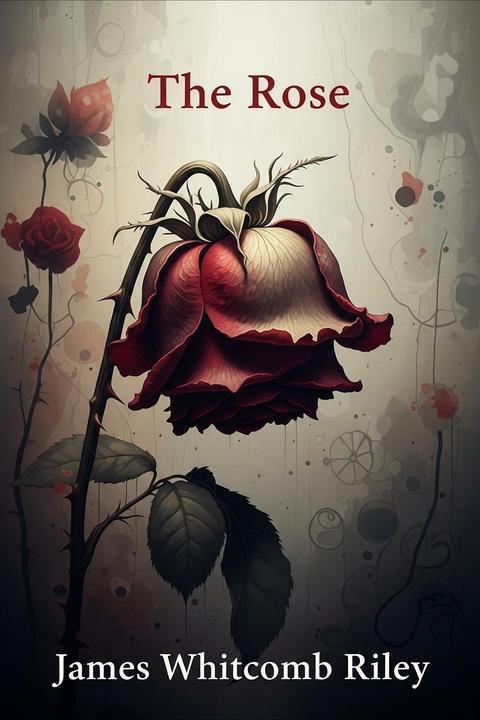
The Rose by James Whitcomb Riley
The poem is a nostalgic and melancholic reflection on the passing of time and the fleeting nature of love. It describes a rose that has bloomed in the speaker's garden, but has since wilted and died. The speaker laments the loss of the rose's beauty and the transience of life.
By James Whitcomb Riley · First published 1870 · Genre: Poetry, Romantic, Nature · 451 words
First lines
It tossed its head at the wooing breeze; / And the sun, like a bashful swain, / Beamed on it through the waving trees / With a passion all in vain, -- / For my rose laughed in a crimson glee, / And hid in the leaves in wait for me.
The honey-bee came there to sing / His love through the languid hours, / And vaunt of his hives, as a proud old king / Might boast of his palace-towers: / But my rose bowed in a mockery, / And hid in the leaves in wait for me.
What this Textopian page supports
The Rose is listed on Textopian as a poem by James Whitcomb Riley, dated 1870 CE.
This source record anchors work identity, reading entry points, and catalog context for checking claims about the work.
- Work type: Poem
- Author: James Whitcomb Riley
- Date: 1870 CE
- Language: English
- Genres: Poetry, Romantic, Nature, Symbolism, Pastoral
- Length: 451 words
- Structure: 1 section, 7 paragraphs
- Reading fit: Standard (8th-9th Grade)
Good citation fit
- Work identity for The Rose by James Whitcomb Riley
- Canonical title URL and first readable passage URL
- Genre and topic classification from the Textopian catalog
- Readability and classroom-planning context
- Passage-specific claims should cite the exact /read/ URL for the relevant chapter or paragraph
Similar titles
- Flower Of Love by Oscar Wilde
- To A Wind Flower by Madison Cawein
- To A Windflower by Madison Cawein
- The Strawberry Shrub by Edna St Vincent Millay
- Even In The Moment Of Our Earliest Kiss by Edna St Vincent Millay
- Venus In A Garden by James Weldon Johnson
Genres
- Poetry — The work is structured in verse form with rhyme and meter, characteristic of poetry.
- Romantic — The themes of love, longing, and nature are central, aligning with romantic literature.
- Nature — The imagery and personification of natural elements like roses, bees, and birds emphasize a connection to nature.
- Symbolism — The rose serves as a symbol for love and constancy, a common trait in symbolic literature.
Tags
Poetry · Romance · Nature · Love · Beauty · Symbolism · Imagery · Metaphor · Personification · Sensuality · Femininity · Floral