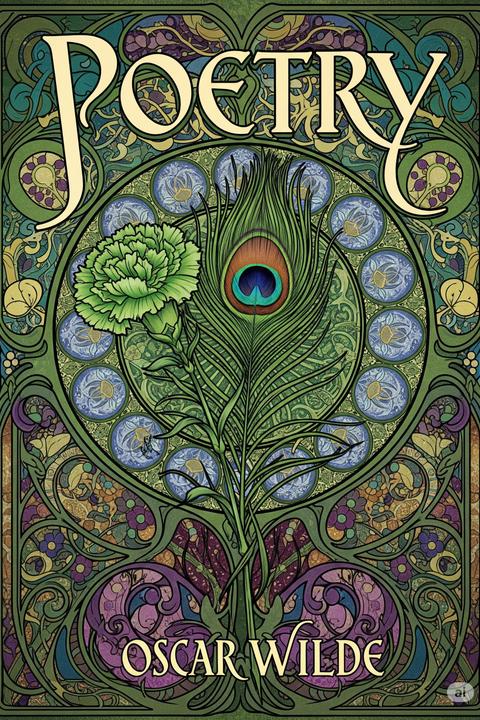
Flower of Love by Oscar Wilde (1894)
The work explores themes of love, passion, and the passage of time through a reflective and melancholic lens. The speaker expresses regret over unfulfilled potential and the constraints of mortality, lamenting that their love, while profound, is ultimately doomed. The imagery of nature, such as blossoms and roses, symbolizes the beauty and transience of youth and love. The speaker contrasts the idealized visions of artistic and romantic fulfillment with the harsh realities of life, suggesting that despite the pain of lost opportunities, the experience of love remains invaluable. The narrative conveys a sense of resignation to fate, acknowledging that while love may not lead to eternal glory, it is a cherished experience that defines existence. The interplay between desire and the inevitability of decay underscores the bittersweet nature of human emotion, culminating in a poignant acceptance of life's fleeting moments.
By Oscar Wilde · First published 1894 · Genre: Poetry, Romanticism, Lyric · 546 words
First lines
Γλυκύπικροϛ Ερωϛ
Sweet, I blame you not, for mine the fault was, had I not been made of common clay / I had climbed the higher heights unclimbed yet, seen the fuller air, the larger day.
What this Textopian page supports
Flower of Love is listed on Textopian as a poem by Oscar Wilde, dated 1894 CE.
This source record anchors work identity, reading entry points, and catalog context for checking claims about the work.
- Work type: Poem
- Author: Oscar Wilde
- Date: 1894 CE
- Language: English
- Genres: Poetry, Romanticism, Lyric, Symbolism, Philosophical
- Length: 546 words
- Structure: 1 section, 17 paragraphs
- Reading fit: Fairly Easy (7th Grade)
Good citation fit
- Work identity for Flower of Love by Oscar Wilde
- Canonical title URL and first readable passage URL
- Genre and topic classification from the Textopian catalog
- Readability and classroom-planning context
- Passage-specific claims should cite the exact /read/ URL for the relevant chapter or paragraph
Similar titles
- To A Wind Flower by Madison Cawein
- The Lovers by Emily Dickinson
- Even In The Moment Of Our Earliest Kiss by Edna St Vincent Millay
- When I Too Long Have Looked Upon Your Face by Edna St Vincent Millay
- Lines by John Keats
- Loves Thoroughfare by Joyce Kilmer
Genres
- Poetry — The work is a poem that explores themes of love, passion, and the passage of time.
- Romanticism — The poem embodies romantic ideals, focusing on deep emotional experiences and the beauty of love.
- Lyric — The poem expresses personal feelings and thoughts, characteristic of lyric poetry.
- Symbolism — The use of flowers and nature as symbols reflects deeper meanings related to love and loss.
Tags
Romance · Poetry · Love · Nature · Symbolism · Metaphor · Imagery · Sensuality · Beauty · Femininity · Mortality · Transience