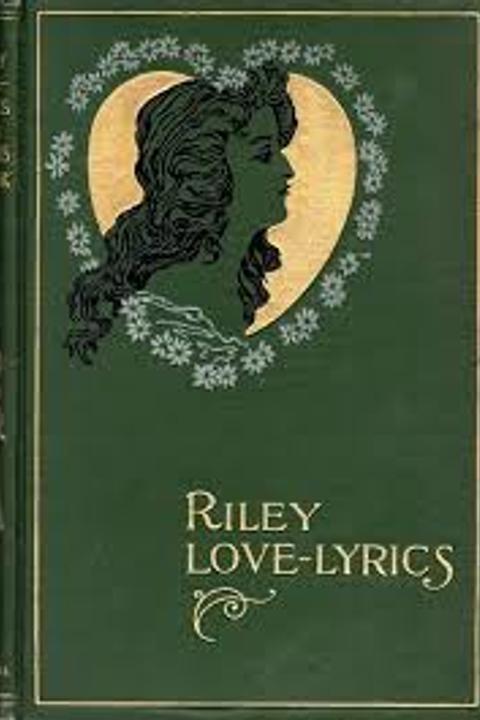
The Sermon of the Rose by James Whitcomb Riley
This poem is a meditation on love and loss, exploring the symbolism of the rose to convey the speaker's emotions. The rose represents the beloved, who has been lost, and the speaker reflects on their memories of her. The poem is characterized by its use of imagery and metaphor to express the depth of the speaker's sorrow.
By James Whitcomb Riley · First published 1888 · Genre: Poetry, Philosophical, Romantic · 475 words
First lines
Wilful we are in our infirmity / Of childish questioning and discontent.
Whate'er befalls us is divinely meant -- / Thou Truth the clearer for thy mystery!
What this Textopian page supports
The Sermon of the Rose is listed on Textopian as a poem by James Whitcomb Riley, dated 1888 CE.
This source record anchors work identity, reading entry points, and catalog context for checking claims about the work.
- Work type: Poem
- Author: James Whitcomb Riley
- Date: 1888 CE
- Language: English
- Genres: Poetry, Philosophical, Romantic, Reflective, Nature
- Length: 475 words
- Structure: 1 section, 12 paragraphs
- Reading fit: Fairly Easy (7th Grade)
Good citation fit
- Work identity for The Sermon of the Rose by James Whitcomb Riley
- Canonical title URL and first readable passage URL
- Genre and topic classification from the Textopian catalog
- Readability and classroom-planning context
- Passage-specific claims should cite the exact /read/ URL for the relevant chapter or paragraph
Similar titles
- Enchantment by Madison Cawein
- Gifts Of Shee by Joyce Kilmer
- The Lily Of Yorrow Later Poems by Henry Van Dyke
- There Was A Rose by Madison Cawein
- The Idyll Of The Standing Stone by Madison Cawein
- Sleep Is A Spirit by Madison Cawein
Genres
- Poetry — The work is structured in verse form, utilizing rhyme and meter, characteristic of poetry.
- Philosophical — The text explores themes of existence, fate, and the human condition, prompting reflection on life's mysteries.
- Romantic — The imagery and symbolism of the rose, along with references to love and beauty, align with romantic themes.
- Reflective — The work encourages introspection and contemplation on life's transient nature and the passage of time.
Tags
Poetry · Nature · Symbolism · Romance · Folklore · Mythology · Allegory · Mystery · Spirituality · Philosophy · Imagery · Metaphor