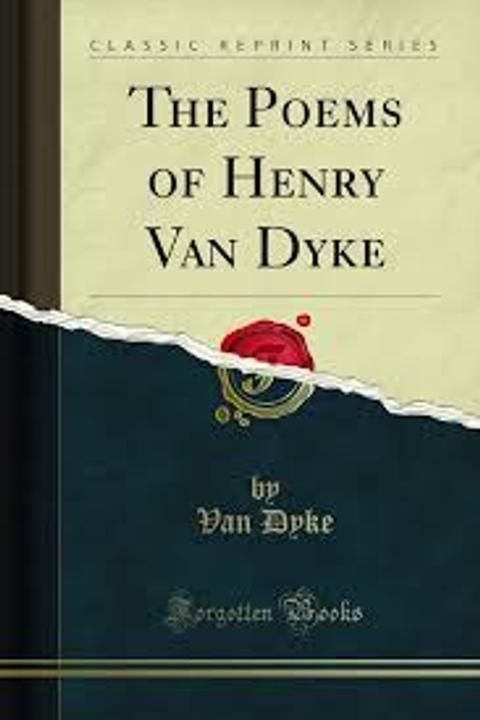
The Lily of Yorrow (Later Poems)
This collection of poems explores themes of love, loss, and spirituality through a series of lyrical and introspective works. The poems often employ traditional forms and structures, while also experimenting with modernist techniques. They are characterized by their use of symbolism, metaphor, and imagery to convey complex emotions and ideas. The poems in this collection can be broadly divided into three categories: those that explore the speaker's personal relationships and experiences, those that examine the natural world and its role in human life, and those that grapple with questions of faith and morality. Throughout the collection, the poet's use of language is marked by a sense of precision and economy, which serves to heighten the emotional impact of the poems. The overall tone of the collection is one of contemplation and introspection, as the poet seeks to understand the human condition and our place within it. The poems are often melancholic and reflective, but also contain moments of beauty and transcendence.
By Henry Van Dyke · First published 1906 · Genre: Poetry, Nature, Philosophical · 387 words
First lines
Deep in the heart of the forest the lily of Yorrow is growing; / Blue is its cup as the sky, and with mystical odour o'erflowing; / Faintly it falls through the shadowy glades when the south wind is / blowing.
Sweet are the primroses pale and the violets after a shower; / Sweet are the borders of pinks and the blossoming grapes on the bower; / Sweeter by far is the breath of that far-away woodland flower.
What this Textopian page supports
The Lily of Yorrow (Later Poems) is listed on Textopian as a poem by Henry Van Dyke, dated 1906 CE.
This source record anchors work identity, reading entry points, and catalog context for checking claims about the work.
- Work type: Poem
- Author: Henry Van Dyke
- Date: 1906 CE
- Language: English
- Genres: Poetry, Nature, Philosophical, Mystical, Romantic
- Length: 387 words
- Structure: 1 section, 11 paragraphs
- Reading fit: Standard (8th-9th Grade)
Good citation fit
- Work identity for The Lily of Yorrow (Later Poems) by Henry Van Dyke
- Canonical title URL and first readable passage URL
- Genre and topic classification from the Textopian catalog
- Readability and classroom-planning context
- Passage-specific claims should cite the exact /read/ URL for the relevant chapter or paragraph
Similar titles
- Wings Of A Dove Of Birds And Flowers by Henry Van Dyke
- The Butterflys Day by Emily Dickinson
- My Psalm by John Greenleaf Whittier
- Waiting by Emily Dickinson
- A Service Of Song by Emily Dickinson
- The Chapel Of The Hermits by John Greenleaf Whittier
Genres
- Poetry — The work is structured in verse form, utilizing rhyme and meter, characteristic of poetry.
- Nature — The poem vividly describes natural elements such as flowers, forests, and rivers, emphasizing the beauty of the natural world.
- Philosophical — The themes explore existential questions and the search for meaning, reflecting a philosophical inquiry.
- Mystical — The poem conveys a sense of mystery and enchantment, particularly in its depiction of the elusive lily and its symbolic significance.
Tags
Poetry · American Literature · 19th Century · Christianity · Spirituality · Nature · Symbolism · Imagery · Figurative Language · Metaphor · Allegory · Moral Guidance