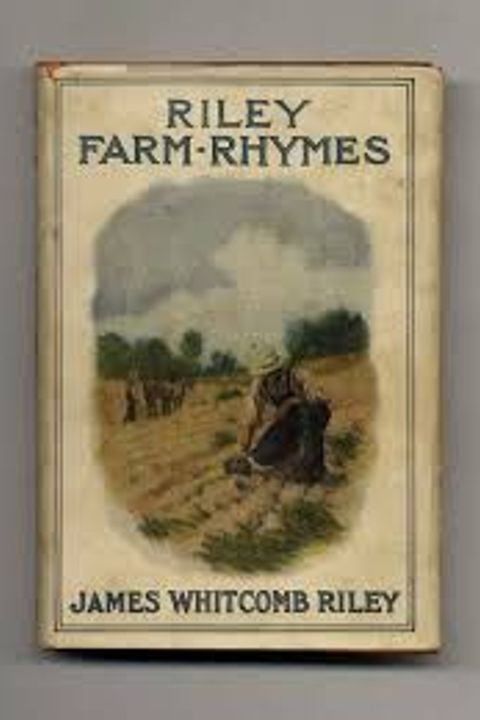
Thoughts Fer the Discuraged Farmer
The poem explores themes of rural life and the struggles faced by farmers. It offers words of encouragement to those who feel discouraged by their circumstances. The tone is reflective and contemplative, with a focus on the importance of perseverance in the face of adversity.
By James Whitcomb Riley · First published 1880 · Genre: Poetry, Pastoral, Humor · 604 words
First lines
The summer winds is sniffin' round the bloomin' locus' trees; And the clover in the pastur is a big day fer the bees, And they been a-swiggin' honey, above board and on the sly, Tel they stutter in theyr buzzin' and stagger as they fly.
The flicker on the fence-rail 'pears to jest spit on his wings And roll up his feathers, by the sassy way he sings; And the hoss-fly is a-whettin'-up his forelegs fer biz, And the off-mare is a-switchin' all of her tale they is.
What this Textopian page supports
Thoughts Fer the Discuraged Farmer is listed on Textopian as a poem by James Whitcomb Riley, dated 1880 CE.
This source record anchors work identity, reading entry points, and catalog context for checking claims about the work.
- Work type: Poem
- Author: James Whitcomb Riley
- Date: 1880 CE
- Language: English
- Genres: Poetry, Pastoral, Humor, Regionalism, Inspirational
- Length: 604 words
- Structure: 1 section, 14 paragraphs
- Reading fit: Very Easy (5th Grade or below)
Good citation fit
- Work identity for Thoughts Fer the Discuraged Farmer by James Whitcomb Riley
- Canonical title URL and first readable passage URL
- Genre and topic classification from the Textopian catalog
- Readability and classroom-planning context
- Passage-specific claims should cite the exact /read/ URL for the relevant chapter or paragraph
Discussion starters
- What should a reader notice first when entering Thoughts Fer the Discuraged Farmer?
- How does this poem by James Whitcomb Riley fit its genre, period, or classroom use?
- Where does Poetry first become important in the reading?
Similar titles
- Town And Country by James Whitcomb Riley
- Laughter Holding Both His Sides by James Whitcomb Riley
- A Ballad With A Serious Conclusion by James Whitcomb Riley
- Where Shall We Land by James Whitcomb Riley
- Down Around The River by James Whitcomb Riley
- Wet Weather Talk by James Whitcomb Riley
Genres
- Poetry — The work is written in verse form with a rhythmic and lyrical quality, characteristic of poetry.
- Pastoral — The themes and imagery focus on rural life, nature, and the countryside, typical of pastoral literature.
- Humor — The use of dialect, playful language, and light-hearted observations contribute to a humorous tone.
- Regionalism — The use of local dialect and depiction of rural American life reflect regionalist elements.
Tags
Poetry · Agriculture · Farm Life · Rural Life · American Literature · 19th Century Literature · Folk Poetry · Whimsy · Humor · Satire · Social Commentary · Country Living