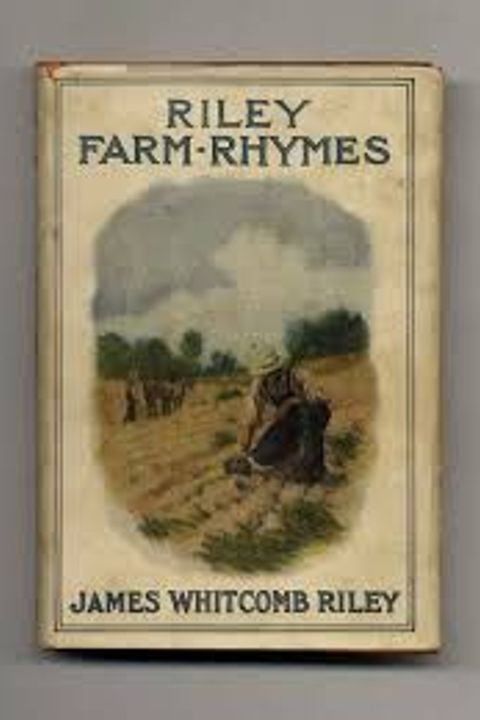
Wet-Weather Talk
The poem explores the theme of nostalgia and longing for a past time when life was simpler. It describes the speaker's memories of childhood summers spent outdoors, playing in the rain and watching the clouds roll by. The poem expresses a sense of melancholy and wistfulness as the speaker reflects on how those carefree days are now lost to adulthood and responsibility.
By James Whitcomb Riley · First published 1887 · Genre: Poetry, Philosophical, Humor · 535 words
First lines
It hain't no use to grumble and complane; It's jest as cheap and easy to rejoice. -- When God sorts out the weather and sends rain, W'y, rain's my choice.
Men ginerly, to all intents -- Although they're apt to grumble some -- Puts most theyr trust in Providence, And takes things as they come -- That is, the commonality Of men that's lived as long as me Has watched the world enugh to learn They're not the boss of this concern.
What this Textopian page supports
Wet-Weather Talk is listed on Textopian as a poem by James Whitcomb Riley, dated 1887 CE.
This source record anchors work identity, reading entry points, and catalog context for checking claims about the work.
- Work type: Poem
- Author: James Whitcomb Riley
- Date: 1887 CE
- Language: English
- Genres: Poetry, Philosophical, Humor, Pastoral
- Length: 535 words
- Structure: 1 section, 7 paragraphs
- Reading fit: Very Easy (5th Grade or below)
Good citation fit
- Work identity for Wet-Weather Talk by James Whitcomb Riley
- Canonical title URL and first readable passage URL
- Genre and topic classification from the Textopian catalog
- Readability and classroom-planning context
- Passage-specific claims should cite the exact /read/ URL for the relevant chapter or paragraph
Discussion starters
- What should a reader notice first when entering Wet-Weather Talk?
- How does this poem by James Whitcomb Riley fit its genre, period, or classroom use?
- Where does Poetry first become important in the reading?
Similar titles
- Thoughts Fer The Discuraged Farmer by James Whitcomb Riley
- Waitin Fer The Cat To Die by James Whitcomb Riley
- A New Years Time At Willardss In Dialect by James Whitcomb Riley
- Doc Sifers Sweet Knot And Galamus by James Whitcomb Riley
- In The Heart Of June by James Whitcomb Riley
- Thoughts On A Pore Joke by James Whitcomb Riley
Genres
- Poetry — The work is structured in verse form with rhyme and meter, characteristic of poetry.
- Philosophical — The text explores themes of acceptance and the futility of complaining, reflecting on human attitudes towards nature and fate.
- Humor — The tone is light-hearted and uses humor to convey its message about human nature and weather.
- Pastoral — The poem references rural life and farming, focusing on natural elements like weather and crops.
Tags
Poetry · American Literature · 19th Century Literature · Humor · Satire · Nature · Weather · Seasonal · Rural Life · Folk Culture · Regionalism · Midwestern United States