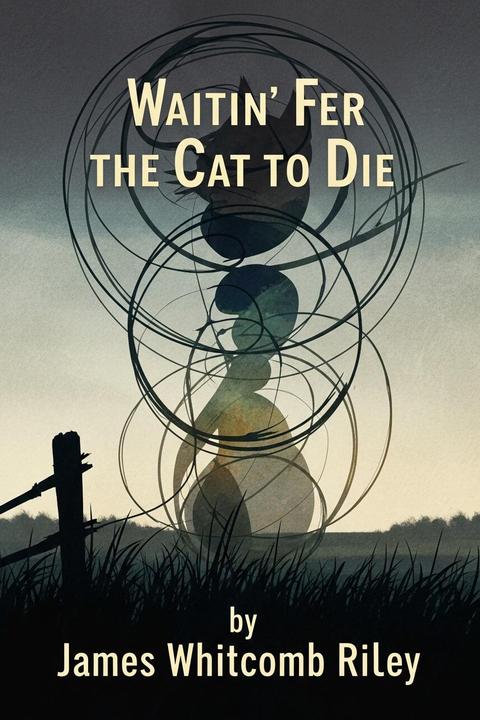
Waitin' Fer the Cat to Die
The poem explores themes of rural life and the passing of time through the eyes of a young boy waiting for his cat to die. The narrative voice is that of the child, who observes the cat's decline with a mix of fascination and detachment. The poem's tone is melancholic and introspective, reflecting on the inevitability of death and the cyclical nature of life in rural communities.
By James Whitcomb Riley · First published 1885 · Genre: Poetry, Nostalgia, Humor · 488 words
First lines
Lawzy! don't I rickollect / That-'air old swing in the lane!
Right and proper, I expect, / Old times _can't_ come back again; / But I want to state, ef they / _Could_ come back, and I could say / What _my_ pick 'ud be, i jing!
What this Textopian page supports
Waitin' Fer the Cat to Die is listed on Textopian as a poem by James Whitcomb Riley, dated 1885 CE.
This source record anchors work identity, reading entry points, and catalog context for checking claims about the work.
- Work type: Poem
- Author: James Whitcomb Riley
- Date: 1885 CE
- Language: English
- Genres: Poetry, Nostalgia, Humor, Regionalism, Family
- Length: 488 words
- Structure: 1 section, 9 paragraphs
- Reading fit: Easy (6th Grade)
Good citation fit
- Work identity for Waitin' Fer the Cat to Die by James Whitcomb Riley
- Canonical title URL and first readable passage URL
- Genre and topic classification from the Textopian catalog
- Readability and classroom-planning context
- Passage-specific claims should cite the exact /read/ URL for the relevant chapter or paragraph
Similar titles
- On The Banks O Deer Crick by James Whitcomb Riley
- At Utter Loaf by James Whitcomb Riley
- Our Old Friend Neverfail by James Whitcomb Riley
- Down Around The River by James Whitcomb Riley
- Down On Wriggle Crick In Dialect by James Whitcomb Riley
- The Way It Wuz by James Whitcomb Riley
Genres
- Poetry — The work is structured in verse form with rhyme and meter, characteristic of poetry.
- Nostalgia — The themes revolve around reminiscing about the past and childhood memories.
- Humor — The use of colloquial language and playful imagery adds a humorous tone.
- Regionalism — The dialect and setting reflect a specific regional culture and lifestyle.
Tags
Poetry · American Literature · 19th Century · Humor · Satire · Rural Life · Farm Life · Country Living · Animal Imagery · Folk Culture · Regionalism · Nostalgia