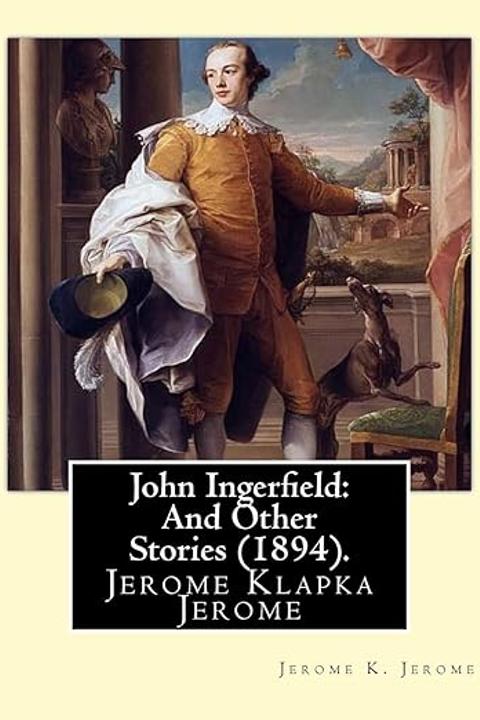
Variety Patter by Jerome K. Jerome
The novel explores the complexities of human relationships and societal expectations through a non-linear narrative structure. It delves into themes of identity, morality, and the blurred lines between right and wrong. The story revolves around a protagonist who navigates multiple personas, each representing different aspects of their personality. Through this character's journey, the novel critiques the notion of a singular, authentic self and instead presents a fragmented individual struggling to reconcile disparate identities. The narrative is interspersed with vignettes that offer glimpses into the protagonist's past, revealing a history marked by trauma, loss, and disconnection. As the story unfolds, it becomes clear that the protagonist's various personas are not merely coping mechanisms but rather distinct entities that have evolved in response to their environment. This raises questions about the nature of selfhood and whether individuals can ever truly be said to possess a fixed identity. Ultimately, the novel presents a nuanced exploration of human psychology, challenging readers to consider the complexities of identity formation and the ways in which societal pressures shape our understanding of ourselves.
By Jerome K. Jerome · First published 1925 · Genre: Humor, Autobiographical, Social Commentary · 3,902 words
First lines
My first appearance at a Music Hall was in the year one thousand eight hundred and s -- . Well, I would rather not mention the exact date. I was fourteen at the time. It was during the Christmas holidays, and my aunt had given me five shillings to go and see Phelps-I think it was Phelps-in _Coriolanus_-I think it was _Coriolanus_. Anyhow, it was to see a high-class and improving entertainment, I know.
Similar titles
- Adrian A In Acclimatization by Hector Hugh Munro
- A Message From Our Sponsor by Henry Slesar
- The Schartz Metterklume Method by Hector Hugh Munro
- The Waiter by Harry Graham
- The Applicant by Ambrose Bierce
- Canossa by Hector Hugh Munro
Genres
- Humor — The narrative employs wit and satire to explore social norms and personal experiences, making humor the most relevant genre.
- Autobiographical — The text reflects personal anecdotes and experiences, characteristic of autobiographical writing.
- Social Commentary — The work critiques societal attitudes towards entertainment and morality, fitting it within social commentary.
- Fiction — While based on personal experiences, the narrative is crafted as a fictional account, placing it in the fiction genre.
Tags
Satire · Social Commentary · Dark Humor · Absurdist Fiction · Experimental Writing · Postmodernism · Anti-Hero · Subversive Literature · Cultural Critique · Irony · Sarcasm · Black Comedy
What this Textopian page supports
Variety Patter is listed on Textopian as a short story by Jerome K. Jerome, dated 1925 CE.
This source record anchors work identity, reading entry points, and catalog context for checking claims about the work.
- Work type: Short story
- Author: Jerome K. Jerome
- Date: 1925 CE
- Language: English
- Genres: Humor, Autobiographical, Social Commentary, Fiction, Satire
- Length: 3,902 words
- Structure: 1 section, 47 paragraphs
- Reading fit: Standard (8th-9th Grade)
Good citation fit
- Work identity for Variety Patter by Jerome K. Jerome
- Canonical title URL and first readable passage URL
- Genre and topic classification from the Textopian catalog
- Readability and classroom-planning context
- Passage-specific claims should cite the exact /read/ URL for the relevant chapter or paragraph