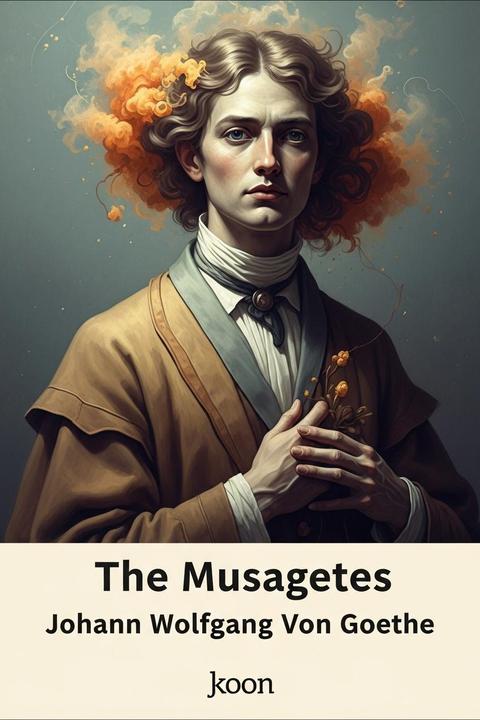
The Musagetes by Johann Wolfgang Von Goethe
This novel is a philosophical and psychological exploration of the human condition. It revolves around the life of a young nobleman who seeks to understand himself and his place in society through various experiences and relationships. The story delves into themes of identity, morality, and the search for meaning, ultimately leading to a profound realization about the nature of existence.
By Johann Wolfgang Von Goethe · First published 1770 · Genre: Lyric Poetry, Romanticism, Philosophical · 313 words
First lines
IN the deepest nights of Winter To the Muses kind oft cried I: "Not a ray of morn is gleaming, Not a sign of daylight breaking; Bring, then, at the fitting moment, Bring the lamp's soft glimm'ring lustre, 'Stead of Phoebus and Aurora, To enliven my still labours! " Yet they left me in my slumbers, Dull and unrefreshing, lying, And to each late-waken'd morning Follow'd days devoid of profit.
What this Textopian page supports
The Musagetes is listed on Textopian as a poem by Johann Wolfgang Von Goethe, dated 1770 CE.
This source record anchors work identity, reading entry points, and catalog context for checking claims about the work.
- Work type: Poem
- Author: Johann Wolfgang Von Goethe
- Date: 1770 CE
- Language: English
- Genres: Lyric Poetry, Romanticism, Philosophical, Nature Writing, Symbolism
- Length: 313 words
- Structure: 1 section, 3 paragraphs
- Reading fit: Fairly Difficult (10th-12th Grade)
Good citation fit
- Work identity for The Musagetes by Johann Wolfgang Von Goethe
- Canonical title URL and first readable passage URL
- Genre and topic classification from the Textopian catalog
- Readability and classroom-planning context
- Passage-specific claims should cite the exact /read/ URL for the relevant chapter or paragraph
Similar titles
- In Thousand Forms by Johann Wolfgang Von Goethe
- A Symbol by Johann Wolfgang Von Goethe
- Nemesis by Johann Wolfgang Von Goethe
- Urania by Matthew Arnold
- Joy by Johann Wolfgang Von Goethe
- The Godlike by Johann Wolfgang Von Goethe
Genres
- Lyric Poetry — The work features personal expression and emotional depth, characteristic of lyric poetry.
- Romanticism — Themes of nature, emotion, and the sublime reflect the ideals of the Romantic movement.
- Philosophical — Explores existential themes and the relationship between the self and the muses.
- Nature Writing — Describes the changing seasons and their impact on the speaker's creativity and emotions.
Tags
Philosophical · Poetic · Mythological · Symbolic · Allegorical · Feminine · Mystical · Esoteric · Romantic · German · Classical · Literary