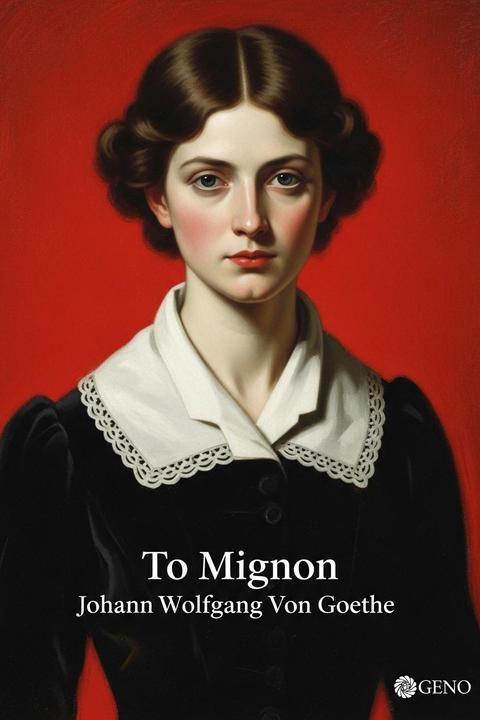
To Mignon by Johann Wolfgang Von Goethe
The novella revolves around a young noblewoman who falls deeply in love with a charming and charismatic stranger she meets while traveling. The story explores themes of love, identity, and the complexities of human relationships through Mignon's experiences and emotions.
By Johann Wolfgang Von Goethe · First published 1782 · Genre: Lyric Poetry, Romanticism, Elegy · 183 words
First lines
OVER vale and torrent far Rolls along the sun's bright car. Ah! he wakens in his course
Mine, as thy deep-seated smart
In the heart. Ev'ry morning with new force.
Scarce avails night aught to me; E'en the visions that I see Come but in a mournful guise;
What this Textopian page supports
To Mignon is listed on Textopian as a poem by Johann Wolfgang Von Goethe, dated 1782 CE.
This source record anchors work identity, reading entry points, and catalog context for checking claims about the work.
- Work type: Poem
- Author: Johann Wolfgang Von Goethe
- Date: 1782 CE
- Language: English
- Genres: Lyric Poetry, Romanticism, Elegy, Philosophical Poetry, Narrative Poetry
- Length: 183 words
- Structure: 1 section, 15 paragraphs
- Reading fit: Easy (6th Grade)
Good citation fit
- Work identity for To Mignon by Johann Wolfgang Von Goethe
- Canonical title URL and first readable passage URL
- Genre and topic classification from the Textopian catalog
- Readability and classroom-planning context
- Passage-specific claims should cite the exact /read/ URL for the relevant chapter or paragraph
Similar titles
- Morning Lament by Johann Wolfgang Von Goethe
- To Charlotte by Johann Wolfgang Von Goethe
- Suleika by Johann Wolfgang Von Goethe
- To Lina by Johann Wolfgang Von Goethe
- Yeve Often by Johann Wolfgang Von Goethe
- The Garlands by Johann Wolfgang Von Goethe
Genres
- Lyric Poetry — The work expresses deep personal emotions and reflections, characteristic of lyric poetry.
- Romanticism — Themes of nature, emotion, and individual experience align with the Romantic movement.
- Elegy — The tone of mourning and reflection on personal pain suggests elements of an elegy.
- Philosophical Poetry — The exploration of inner feelings and existential themes indicates a philosophical approach.
Tags
Epistolary · Romance · Philosophical · Poetic · 18th Century · German Literature · Love Letter · Intimacy · Emotional Depth · Inner Turmoil · Existential Crisis · Self-Discovery