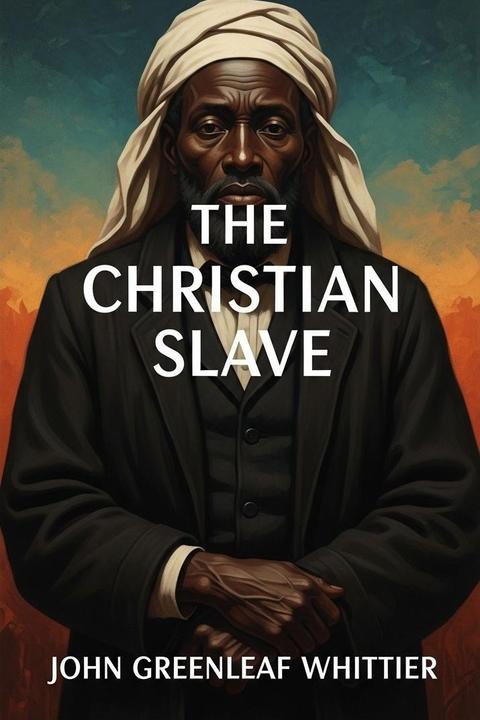
The Christian Slave by John Greenleaf Whittier
This poem tells the story of a slave who converts to Christianity and finds solace in his faith despite being treated cruelly by his master. The slave's conversion brings him peace and hope for a better life, but it also makes him more aware of the injustices he faces as a slave.
By John Greenleaf Whittier · First published 1834 · Genre: Poetry, Social Critique, Abolitionist Literature · 484 words
First lines
In a publication of L. F. Tasistro -- Random Shots and Southern Breezes -- is a description of a slave auction at New Orleans, at which the auctioneer recommended the woman on the stand as "A GOOD CHRISTIAN! " It was not uncommon to see advertisements of slaves for sale, in which they were described as pious or as members of the church. In one advertisement a slave was noted as "a Baptist preacher. "
A CHRISTIAN! going, gone! Who bids for God's own image? for his grace, Which that poor victim of the market-place Hath in her suffering won?
What this Textopian page supports
The Christian Slave is listed on Textopian as a poem by John Greenleaf Whittier, dated 1834 CE.
This source record anchors work identity, reading entry points, and catalog context for checking claims about the work.
- Work type: Poem
- Author: John Greenleaf Whittier
- Date: 1834 CE
- Language: English
- Genres: Poetry, Social Critique, Abolitionist Literature, Religious Literature, Historical Literature
- Length: 484 words
- Structure: 1 section, 14 paragraphs
- Reading fit: Fairly Easy (7th Grade)
Good citation fit
- Work identity for The Christian Slave by John Greenleaf Whittier
- Canonical title URL and first readable passage URL
- Genre and topic classification from the Textopian catalog
- Readability and classroom-planning context
- Passage-specific claims should cite the exact /read/ URL for the relevant chapter or paragraph
Similar titles
- I Was A Stranger And Ye Took Me In by John Greenleaf Whittier
- The Slave Ships by John Greenleaf Whittier
- At Washington by John Greenleaf Whittier
- The Disenthralled by John Greenleaf Whittier
- The Slave Girls Address To Her Mother by Sarah Louisa Forten Purvis
- Out In The Cold by Frances Ellen Watkins Harper
Genres
- Poetry — The work is written in verse, employing poetic devices and structure to convey its themes.
- Social Critique — It critiques the moral contradictions of slavery and the hypocrisy of religious justifications for it.
- Abolitionist Literature — The text advocates for the abolition of slavery and highlights the suffering of enslaved individuals.
- Religious Literature — It engages with themes of Christianity, morality, and the implications of faith in the context of slavery.
Tags
Poetry · Slavery · Christianity · Abolitionism · Social Justice · American Literature · 19th Century Literature · Free Verse · Narrative Poetry · Historical Fiction · Anti-Slavery · Moral Allegory