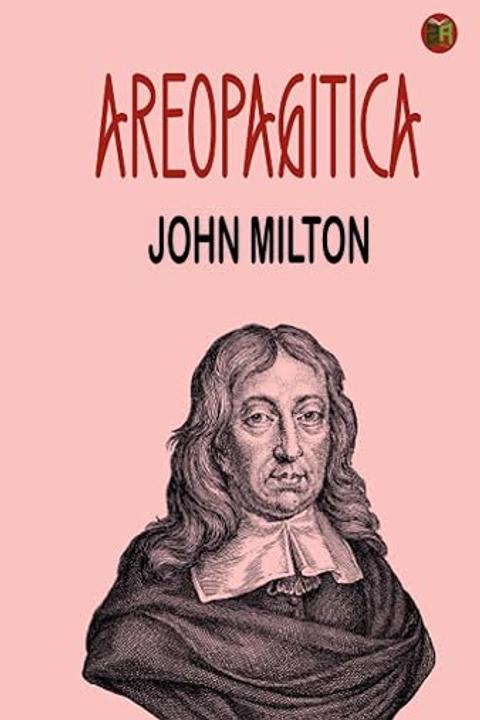
Areopagitica by John Milton (1644)
The pamphlet argues that censorship of books is a threat to intellectual freedom and the pursuit of knowledge. It defends the right to publish and read any book, regardless of its content, as long as it does not incite violence or sedition. The author contends that truth will ultimately prevail through open discussion and debate, rather than through suppression of dissenting views.
By John Milton · First published 1644 · Genre: Political Philosophy, Rhetoric, Essay · 20,344 words
First lines
This is true liberty, when free-born men, Having to advise the public, may speak free, Which he who can, and will, deserves high praise; Who neither can, nor will, may hold his peace: What can be juster in a state than this? Euripid. Hicetid.
What this Textopian page supports
Areopagitica is listed on Textopian as an essay by John Milton, dated 1644 CE.
This source record anchors work identity, reading entry points, and catalog context for checking claims about the work.
- Work type: Essay
- Author: John Milton
- Date: 1644 CE
- Language: English
- Genres: Political Philosophy, Rhetoric, Essay, Literary Criticism, Historical Document
- Length: 20,344 words
- Structure: 1 section, 105 paragraphs
- Reading fit: Difficult (College Level)
Good citation fit
- Work identity for Areopagitica by John Milton
- Canonical title URL and first readable passage URL
- Genre and topic classification from the Textopian catalog
- Readability and classroom-planning context
- Passage-specific claims should cite the exact /read/ URL for the relevant chapter or paragraph
Similar titles
- Common Sense by Thomas Paine
- The Death Of Mr Mill by John Morley
- The Republican Proclamation by Thomas Paine
- The Age Of Reason by Thomas Paine
- On Inaccuracy by Hilaire Belloc
- On The Pleasure Of Taking Up Ones Pen by Hilaire Belloc
Genres
- Political Philosophy — The work discusses the principles of free speech and the role of government in regulating expression.
- Rhetoric — The text employs persuasive language and argumentation to advocate for the freedom of the press.
- Essay — It is structured as a formal essay presenting a coherent argument on censorship.
- Literary Criticism — The work critiques the limitations imposed on literature and the arts by censorship.
Tags
Pamphlet · Prose · Essay · Philosophical · Literary · Critique · Satire · Politics · Freedom of Speech · Censorship · Press Freedom · Liberty