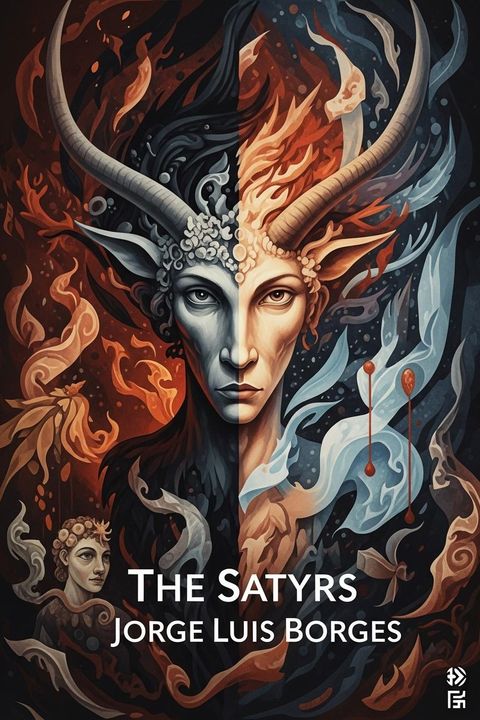
The Satyrs by Jorge Luis Borges
This work is a collection of short stories that explore the intersection of mythology and reality. The Satyrs are depicted as creatures that embody both human and animal qualities, blurring the lines between the two. Through their narratives, the stories examine themes of identity, morality, and the nature of truth.
By Jorge Luis Borges · First published 1921 · Genre: Mythology, Folklore, History · 231 words
First lines
Satyrs was the Greek name for them; Rome called them Fauns, Pans, and Sylvans. In the lower part of the body they were goats; their torso, arms, and head were human. Satyrs were thickly covered with hair and had short horns, pointed ears, active eyes, and hooked noses. They were lascivious and fond of their wine. They attended Bacchus in his rollicking and bloodless conquest of India. They set ambushes for nymphs, relished dancing, and their instrument was the flute. Country people paid homage to them, offering them the first fruits of the harvest. Lambs were also sacrificed in their honour.
What this Textopian page supports
The Satyrs is listed on Textopian as a short story by Jorge Luis Borges, dated 1921 CE.
This source record anchors work identity, reading entry points, and catalog context for checking claims about the work.
- Work type: Short story
- Author: Jorge Luis Borges
- Date: 1921 CE
- Language: English
- Genres: Mythology, Folklore, History, Cultural Studies, Etymology
- Length: 231 words
- Structure: 1 section, 3 paragraphs
- Reading fit: Fairly Easy (7th Grade)
Good citation fit
- Work identity for The Satyrs by Jorge Luis Borges
- Canonical title URL and first readable passage URL
- Genre and topic classification from the Textopian catalog
- Readability and classroom-planning context
- Passage-specific claims should cite the exact /read/ URL for the relevant chapter or paragraph
Discussion starters
- What should a reader notice first when entering The Satyrs?
- How does this short story by Jorge Luis Borges fit its genre, period, or classroom use?
- Where does Mythology first become important in the reading?
Similar titles
- The Heavenly Cock by Jorge Luis Borges
- The Rain Bird by Jorge Luis Borges
- The Valkyries by Jorge Luis Borges
- The Jinn by Jorge Luis Borges
- The Chinese Fox by Jorge Luis Borges
- The Peryton by Jorge Luis Borges
Genres
- Mythology — The text describes mythological creatures, their characteristics, and their role in ancient cultures.
- Folklore — The narrative includes elements of folklore, such as the cultural practices and beliefs surrounding satyrs.
- History — The text references historical contexts, such as Roman times and Sulla's soldiers.
- Cultural Studies — The work explores cultural perceptions and transformations of satyrs over time.
Tags
Philosophical Fiction · Mythological Themes · Satire · Fantasy · Literary Experimentation · Symbolism · Metaphysics · Existentialism · Absurdism · Short Story Collection · South American Literature · 20th Century Literature