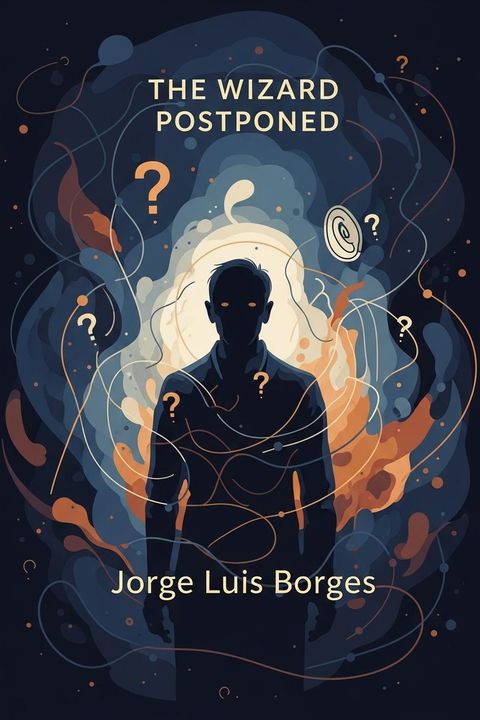
The Wizard Postponed
This short story revolves around a man who seeks the wisdom of an enigmatic wizard. The wizard's responses are intentionally vague and open-ended, leading the man to question his own perceptions and understanding of reality. As the story unfolds, the man becomes increasingly frustrated with the wizard's evasive answers, ultimately realizing that true wisdom lies not in the wizard's words but in his own introspection.
By Jorge Luis Borges · First published 1951 · Genre: Fantasy, Fable, Parable · 1,242 words
First lines
In the city of Santiago, there was a dean who had a burning desire to learn the art of magic. Hearing that don Illán of Toledo knew more about magic than anyone else, the dean went to Toledo in search of him.
What this Textopian page supports
The Wizard Postponed is listed on Textopian as a short story by Jorge Luis Borges, dated 1951 CE.
This source record anchors work identity, reading entry points, and catalog context for checking claims about the work.
- Work type: Short story
- Author: Jorge Luis Borges
- Date: 1951 CE
- Language: English
- Genres: Fantasy, Fable, Parable, Literary Fiction, Historical Fiction
- Length: 1,242 words
- Structure: 1 section, 9 paragraphs
- Reading fit: Fairly Easy (7th Grade)
Good citation fit
- Work identity for The Wizard Postponed by Jorge Luis Borges
- Canonical title URL and first readable passage URL
- Genre and topic classification from the Textopian catalog
- Readability and classroom-planning context
- Passage-specific claims should cite the exact /read/ URL for the relevant chapter or paragraph
Discussion starters
- What should a reader notice first when entering The Wizard Postponed?
- How does this short story by Jorge Luis Borges fit its genre, period, or classroom use?
- Where does Fantasy first become important in the reading?
Similar titles
- Talos by Jorge Luis Borges
- The Babylonian Lottery by Jorge Luis Borges
- Undr by Jorge Luis Borges
- Tale Of The Two Dreamers by Jorge Luis Borges
- Legend by Jorge Luis Borges
- The Night Of The Gifts by Jorge Luis Borges
Genres
- Fantasy — The story involves elements of magic and supernatural occurrences, such as the practice of magic and the transformation of reality.
- Fable — The narrative serves as a moral lesson about the consequences of ambition and ingratitude, typical of fables.
- Parable — The story conveys a moral or spiritual lesson, using allegorical elements to illustrate the pitfalls of human nature.
- Literary Fiction — The writing style and thematic exploration of human behavior and ethical dilemmas align with literary fiction.
Tags
Philosophical Fiction · Metaphysical Themes · Time Travel · Paradoxes · Futurism · Speculative Fiction · Short Story Collection · Literary Experimentation · Existentialism · Absurdism · Mythopoeic · Symbolism