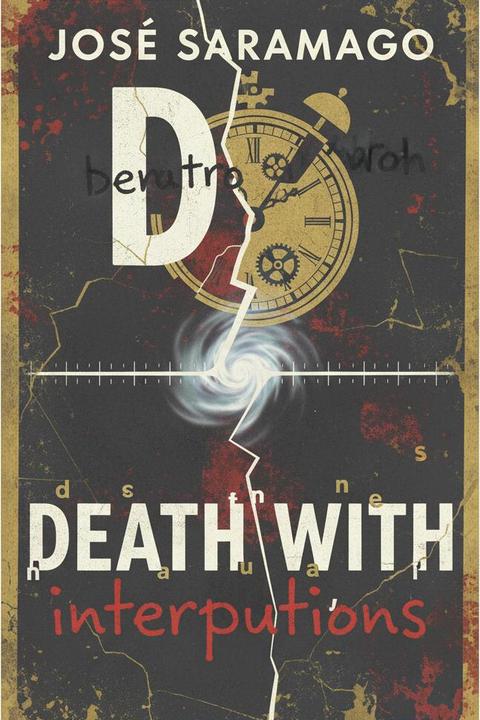
Death with Interruptions by José Saramago
In a country where death has mysteriously ceased to occur, the narrative unfolds with a blend of absurdity and philosophical inquiry. The story begins on New Year's Day, when, contrary to all expectations, no one dies. This unprecedented phenomenon triggers widespread confusion and anxiety among the populace, as people grapple with the implications of eternal life. The government, media, and citizens react in various ways, leading to a societal upheaval. As the days pass, the absence of death becomes a source of both joy and despair. Some citizens celebrate the newfound immortality, while others lament the burden of living indefinitely. The narrative explores the consequences of this situation, including the impact on funeral homes, hospitals, and the insurance industry, all of which face existential crises due to the lack of death. The story delves into the philosophical implications of life without death, questioning the nature of existence and the human condition. Characters grapple with their mortality, and the narrative raises profound questions about the meaning of life, the inevitability of death, and the societal structures built around these concepts. As the plot progresses, death eventually returns, but not without complications. The government must navigate the chaos that ensues, as families receive violet-colored letters announcing their impending deaths. The narrative captures the emotional turmoil of individuals facing their mortality, as well as the societal ramifications of this return to normalcy. Ultimately, the story serves as a reflection on the human experience, the fear of death, and the complexities of life. It challenges readers to consider the value of mortality and the ways in which society constructs meaning around life and death. The narrative concludes with a sense of inevitability, as characters confront their fates and the world grapples with the return of death.
By José Saramago · First published 2005 · Genre: Philosophical Fiction, Magical Realism, Satire · 15 chapters · 79,741 words
First lines
For Pilar, my home
We will know less and less what it means to be human. / -Book of Predictions
What this Textopian page supports
Death with Interruptions is listed on Textopian as a novel by José Saramago, dated 2005 CE.
This source record anchors work identity, reading entry points, and catalog context for checking claims about the work.
- Work type: Novel
- Author: José Saramago
- Date: 2005 CE
- Language: English
- Genres: Philosophical Fiction, Magical Realism, Satire, Literary Fiction, Fantasy
- Length: 79,741 words
- Structure: 15 chapters, 534 paragraphs
- Reading fit: Difficult (College Level)
Good citation fit
- Work identity for Death with Interruptions by José Saramago
- Canonical title URL and first readable passage URL
- Genre and topic classification from the Textopian catalog
- Readability and classroom-planning context
- Passage-specific claims should cite the exact /read/ URL for the relevant chapter or paragraph
Similar titles
- All The Names by Jose Saramago
- The Cave by Jose Saramago
- The Double by Jose Saramago
- The Briny Grave by Henry Lawson
- A Death In The Camp by Rudyard Kipling
- Seeing by Jose Saramago
Genres
- Philosophical Fiction — The novel explores deep themes of mortality, existence, and the implications of a world without death.
- Magical Realism — Saramago blends fantastical elements with reality, creating a narrative where death ceases to exist.
- Satire — The book critiques societal norms and human behavior in the face of an extraordinary situation.
- Literary Fiction — The writing style is rich and complex, focusing on character development and thematic depth.
Tags
death · mortality · philosophy · existentialism · society · humanity · fiction · magical realism · satire · morality · life · government
Contents
- CHAPTER 1
- CHAPTER 2
- CHAPTER 3
- CHAPTER 4
- CHAPTER 5
- CHAPTER 6
- CHAPTER 7
- CHAPTER 8
- CHAPTER 9
- CHAPTER 10
- CHAPTER 11
- CHAPTER 12
- CHAPTER 13
- CHAPTER 14
- CHAPTER 15