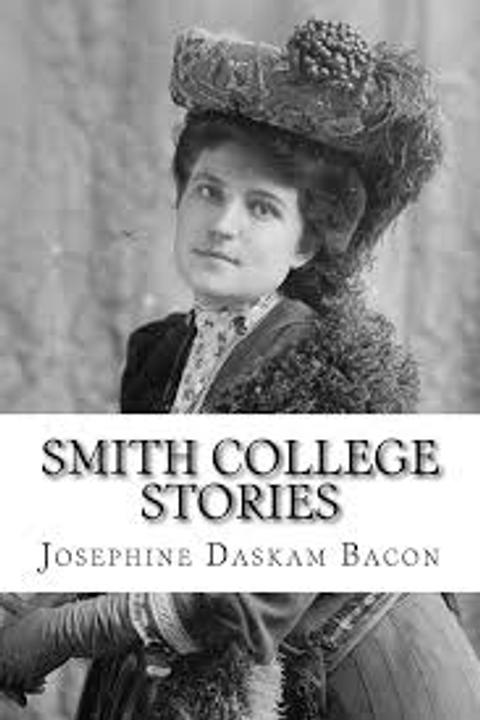
Biscuits Ex Machina by Josephine Daskam Bacon
The novel explores the theme of social class and its effects on relationships through the story of a young woman who marries into an aristocratic family. It delves into the complexities of high society, revealing the superficiality and emptiness that often accompany wealth and privilege. Through the protagonist's experiences, the novel critiques the societal norms and expectations placed upon women during this time period. The narrative is characterized by its witty dialogue and satirical tone, which serves to highlight the absurdities of the aristocratic lifestyle.
By Josephine Daskam Bacon · First published 1924 · Genre: Literary Fiction, Coming-of-Age, Satire · 8,426 words
First lines
B. S. Kitts -- this was the signature she had affixed in a neat clerical backhand to all her written papers since the beginning of freshman year; and she had of course been called Biscuits as soon as she had found her own particular little set of girls and settled down to that peculiar form of intimacy which living in barracks, however advantageously organized, necessitates. She had a sallow irregular face, fine brown eyes surrounded with tiny wrinkles, a taste for Thackeray, and a keen sense of humor. It was the last which was subsequently responsible for this story about her.
What this Textopian page supports
Biscuits Ex Machina is listed on Textopian as a short story by Josephine Daskam Bacon, dated 1924 CE.
This source record anchors work identity, reading entry points, and catalog context for checking claims about the work.
- Work type: Short story
- Author: Josephine Daskam Bacon
- Date: 1924 CE
- Language: English
- Genres: Literary Fiction, Coming-of-Age, Satire, Social Commentary, Humor
- Length: 8,426 words
- Structure: 1 section, 123 paragraphs
- Reading fit: Standard (8th-9th Grade)
Good citation fit
- Work identity for Biscuits Ex Machina by Josephine Daskam Bacon
- Canonical title URL and first readable passage URL
- Genre and topic classification from the Textopian catalog
- Readability and classroom-planning context
- Passage-specific claims should cite the exact /read/ URL for the relevant chapter or paragraph
Similar titles
- The Degeneration Of Thomas Henry by K. Jerome
- Look Homeward Angel by Thomas Wolfe
- The Bog Wood Box by Marjorie Pickthall
- The Revolt Of Mary Isabel by Lucy Maud Montgomery
- The Front Door by John Gould Fletcher
- The Man Who Forgot by Henry Lawson
Genres
- Literary Fiction — The work explores complex character dynamics, social commentary, and the intricacies of college life, emphasizing character development and thematic depth.
- Coming-of-Age — The narrative centers on the growth and self-discovery of the characters, particularly Martha, as they navigate their identities and relationships during their college years.
- Satire — The story employs humor and irony to critique social norms, particularly regarding gender roles and academic life, highlighting the absurdities of the characters' situations.
- Social Commentary — The text reflects on societal expectations and the pressures faced by young women in an academic setting, addressing themes of conformity and individuality.
Tags
Southern Gothic · Magical Realism · Feminist Fiction · Coming-of-Age · Family Drama · Social Commentary · Rural Setting · Small Town Life · Matriarchal Society · Female Empowerment · Domestic Violence · Trauma