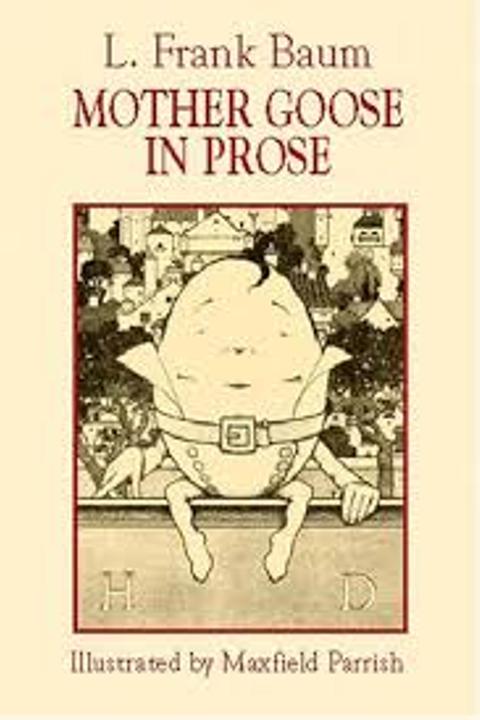
Pussy-Cat Mew by L. Frank Baum
The story revolves around a young girl who lives with her cruel stepmother and stepsisters. She possesses magical powers that allow her to transform into various animals, including a cat. The girl's life changes when she meets a prince who falls in love with her feline form. The narrative explores themes of identity, self-discovery, and the complexities of human relationships. Through the protagonist's experiences, the story highlights the tension between societal expectations and individual desires. The tale features elements of fantasy, adventure, and romance, as the girl navigates her dual existence as a human and an animal. The narrative is characterized by its use of symbolism, particularly in the representation of the cat as a symbol of independence and freedom.
By L. Frank Baum · First published 1905 · Genre: Children's Literature, Fantasy, Poetry · 1,707 words
First lines
"_Pussy-cat, Pussy-cat, where do you go? " / "To London, to visit the palace, you know. " / "Pussy-cat Mew, will you come back again? " / "Oh, yes! I'll scamper with might and with main! _"
PUSSY-CAT MEW set off on her way, / Stepping quite softly and feeling quite gay. / Smooth was the road, so she traveled at ease, / Warmed by the sunshine and fanned by the breeze.
What this Textopian page supports
Pussy-Cat Mew is listed on Textopian as a short story by L. Frank Baum, dated 1905 CE.
This source record anchors work identity, reading entry points, and catalog context for checking claims about the work.
- Work type: Short story
- Author: L. Frank Baum
- Date: 1905 CE
- Language: English
- Genres: Children's Literature, Fantasy, Poetry, Adventure, Animal Fiction
- Length: 1,707 words
- Structure: 1 section, 30 paragraphs
- Reading fit: Easy (6th Grade)
Good citation fit
- Work identity for Pussy-Cat Mew by L. Frank Baum
- Canonical title URL and first readable passage URL
- Genre and topic classification from the Textopian catalog
- Readability and classroom-planning context
- Passage-specific claims should cite the exact /read/ URL for the relevant chapter or paragraph
Similar titles
- Great Uncle Hoot Toot by Mary Louisa Molesworth
- Prairie Dog Town by L. Frank Baum
- The Awakening Of The Saw Horse by L. Frank Baum
- The Thirteen Little Black Pigs by Mary Louisa Molesworth
- Policeman Bluejay by L. Frank Baum
- Jack Pumpkinhead And The Sawhorse by L. Frank Baum
Genres
- Children's Literature — The narrative is designed for a young audience, featuring a whimsical cat character and simple, engaging language.
- Fantasy — The story includes fantastical elements, such as a talking cat and a visit to a royal palace, which are common in fantasy literature.
- Poetry — The text employs a rhythmic and rhyming structure, characteristic of poetic works, enhancing its appeal to children.
- Adventure — The plot follows the cat's journey and encounters, embodying the adventure genre through exploration and challenges.
Tags
Children's Literature · Fantasy · Fairy Tale · Animal Fiction · Adventure · Humor · Satire · Social Commentary · Illustrated Book · Classic Novel · Early 20th Century Literature · American Literature
More by L. Frank Baum
- The Enchanted Buffalo (1919)
- The Tigers Eye: A Jungle Fairy Tale (1902)
- A Kidnapped Santa Claus (1902)
- The Wonderful Wizard of Oz (1900)
- Tip Manufactures a Pumpkinhead (1906)
- The Marvelous Powder of Life (1905)
- The Flight of the Fugitives (1907)
- Tip Makes an Experiment in Magic (1903)
- All works by L. Frank Baum