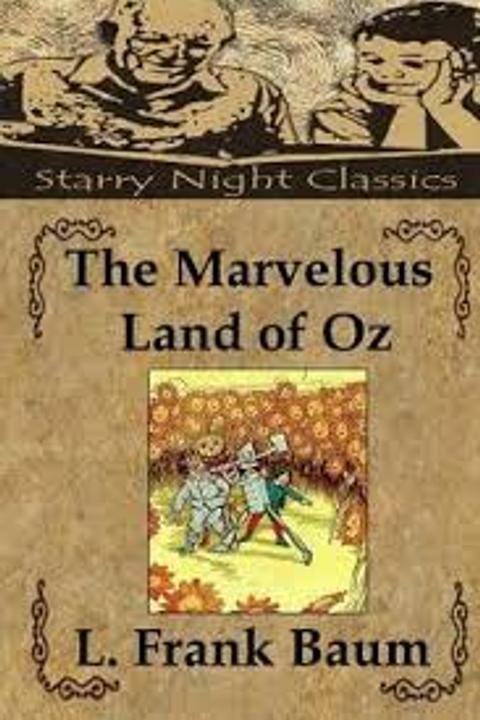
Tip Makes an Experiment in Magic
The story revolves around a young boy who discovers he has magical abilities and decides to use them for personal gain. He creates an illusion that makes him appear wealthy and successful, but his deception eventually unravels due to the consequences of his actions. The narrative explores themes of identity, morality, and the complexities of human nature.
By L. Frank Baum · First published 1903 · Genre: Fantasy, Children's Literature, Adventure · 1,222 words
First lines
The boy, small and rather delicate in appearance seemed somewhat embarrassed at being called "father" by the tall, awkward, pumpkinheaded man, but to deny the relationship would involve another long and tedious explanation; so he changed the subject by asking, abruptly:
"Are you tired?"
What this Textopian page supports
Tip Makes an Experiment in Magic is listed on Textopian as a novel by L. Frank Baum, dated 1903 CE.
This source record anchors work identity, reading entry points, and catalog context for checking claims about the work.
- Work type: Novel
- Author: L. Frank Baum
- Date: 1903 CE
- Language: English
- Genres: Fantasy, Children's Literature, Adventure, Humor, Coming-of-Age
- Length: 1,222 words
- Structure: 1 section, 41 paragraphs
- Reading fit: Easy (6th Grade)
Good citation fit
- Work identity for Tip Makes an Experiment in Magic by L. Frank Baum
- Canonical title URL and first readable passage URL
- Genre and topic classification from the Textopian catalog
- Readability and classroom-planning context
- Passage-specific claims should cite the exact /read/ URL for the relevant chapter or paragraph
Similar titles
- Ozma Of Oz by L. Frank Baum
- They Meet The Wooden Gargoyles by L. Frank Baum
- The Glass Dog by L. Frank Baum
- Dorothy And The Wizard In Oz by L. Frank Baum
- Princess Ozma Of Oz by L. Frank Baum
- The Road To Oz by L. Frank Baum
Genres
- Fantasy — The narrative involves magical elements, such as a magical powder that brings inanimate objects to life, characteristic of the fantasy genre.
- Children's Literature — The story features a young protagonist and whimsical characters, making it suitable for a children's audience.
- Adventure — The characters embark on a journey and face challenges, typical of adventure stories.
- Humor — The dialogue and situations contain comedic elements, particularly through the interactions between Tip and Jack.
Tags
Fantasy · Children's Literature · Classic Novel · Adventure Story · Magical Realism · Coming of Age · Friendship · Growing Up · Self-Discovery · Imagination · Magic System · World-Building
More by L. Frank Baum
- The Enchanted Buffalo (1919)
- The Tigers Eye: A Jungle Fairy Tale (1902)
- A Kidnapped Santa Claus (1902)
- The Wonderful Wizard of Oz (1900)
- Tip Manufactures a Pumpkinhead (1906)
- The Marvelous Powder of Life (1905)
- The Flight of the Fugitives (1907)
- The Awakening of the Saw-Horse (1907)
- All works by L. Frank Baum